Angola - Lines of Progress
Field photography and video documenting the continued long-term impact of landmines in Angola and the transformational recovery that follows clearance. Shot during a return visit, building on established relationships with local teams from The HALO Trust.
Angola endured 27 years of brutal civil war. Landmines were laid across vast areas, killing and injuring thousands of people. Decades after the end of the conflict, their presence continues to shape how land is used and developed. In cities like Cuito and along the Lobito Corridor, infrastructure and investment are driving progress, while other communities remain cut off by contamination - limiting access to land and livelihoods.
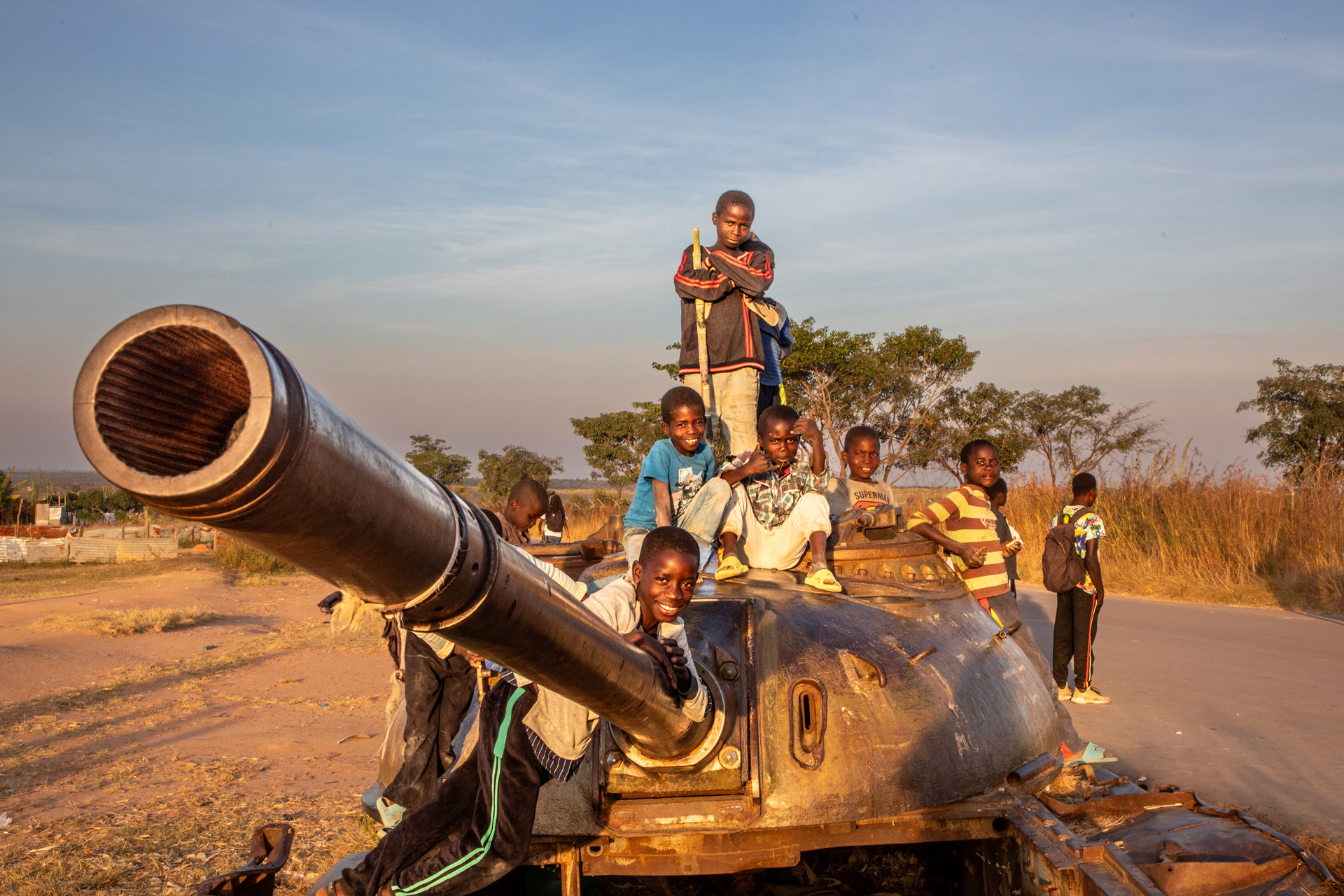
Cuito, Bié Province.
Children have turned an abandoned tank into a play item. Cuito was subject to years of fighting between FAPLA and UNITA troops, including an 18 month siege. The city was completely decimated and littered with mines.
Today, schools and government buildings have been rebuilt where there were once minefields.




The Lobito Corridor.
Landmine clearance along the Lobito Corridor has allowed the recovery of the railway line that runs from Tanzania, through Zambia, the Democratic Republic of Congo and across Angola to the country’s Atlantic coast.
This is a vital route for the movement of trade and people.
Sole editor on a film for advocacy outreach, combining footage shot by partner videographers.

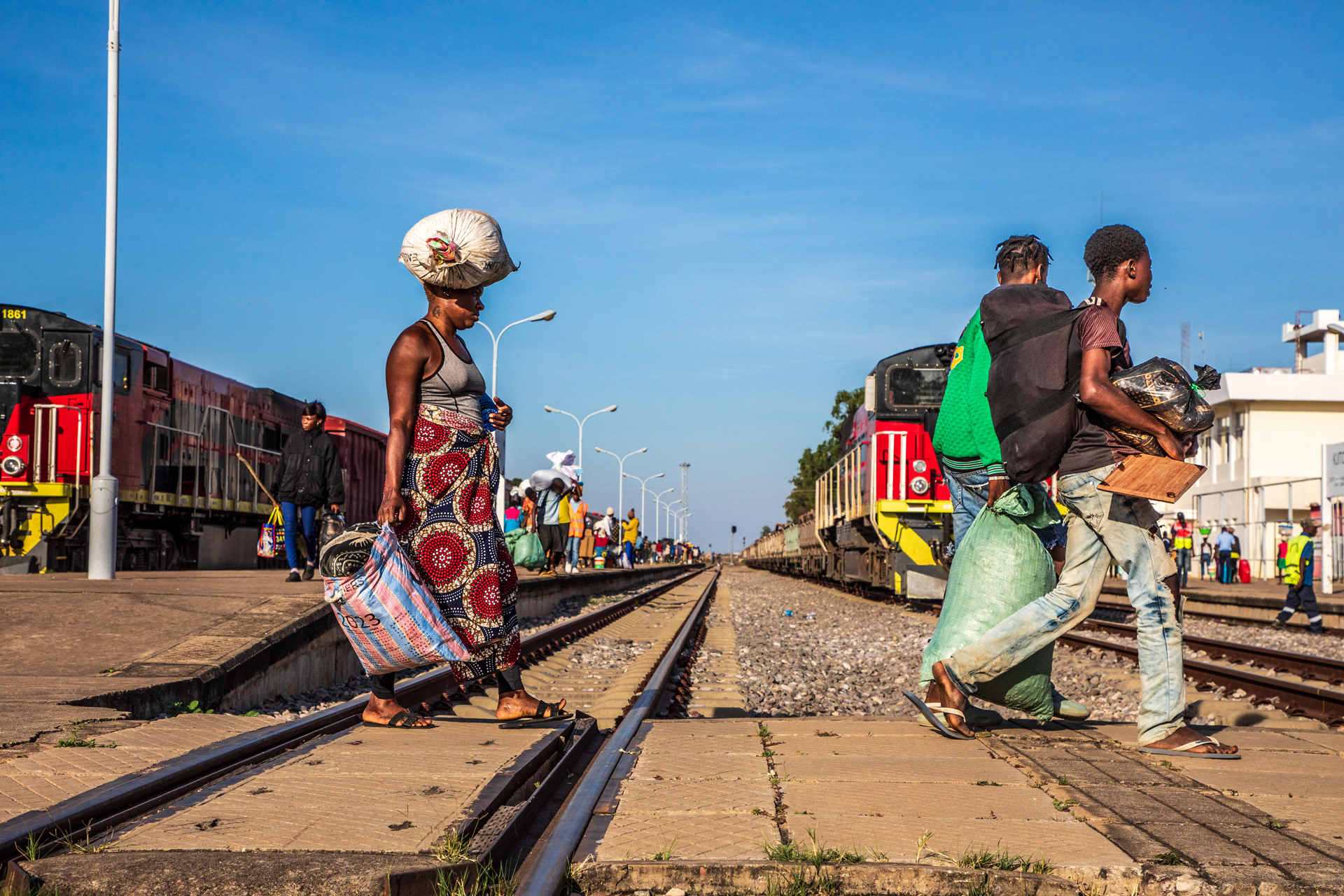
The Lobito Corridor is an access point for development.
But many of the adjacent rural communities are being left behind as the minefields surrounding the corridor have yet to be cleared. Completing this work will save lives and open the region for infrastructure development.

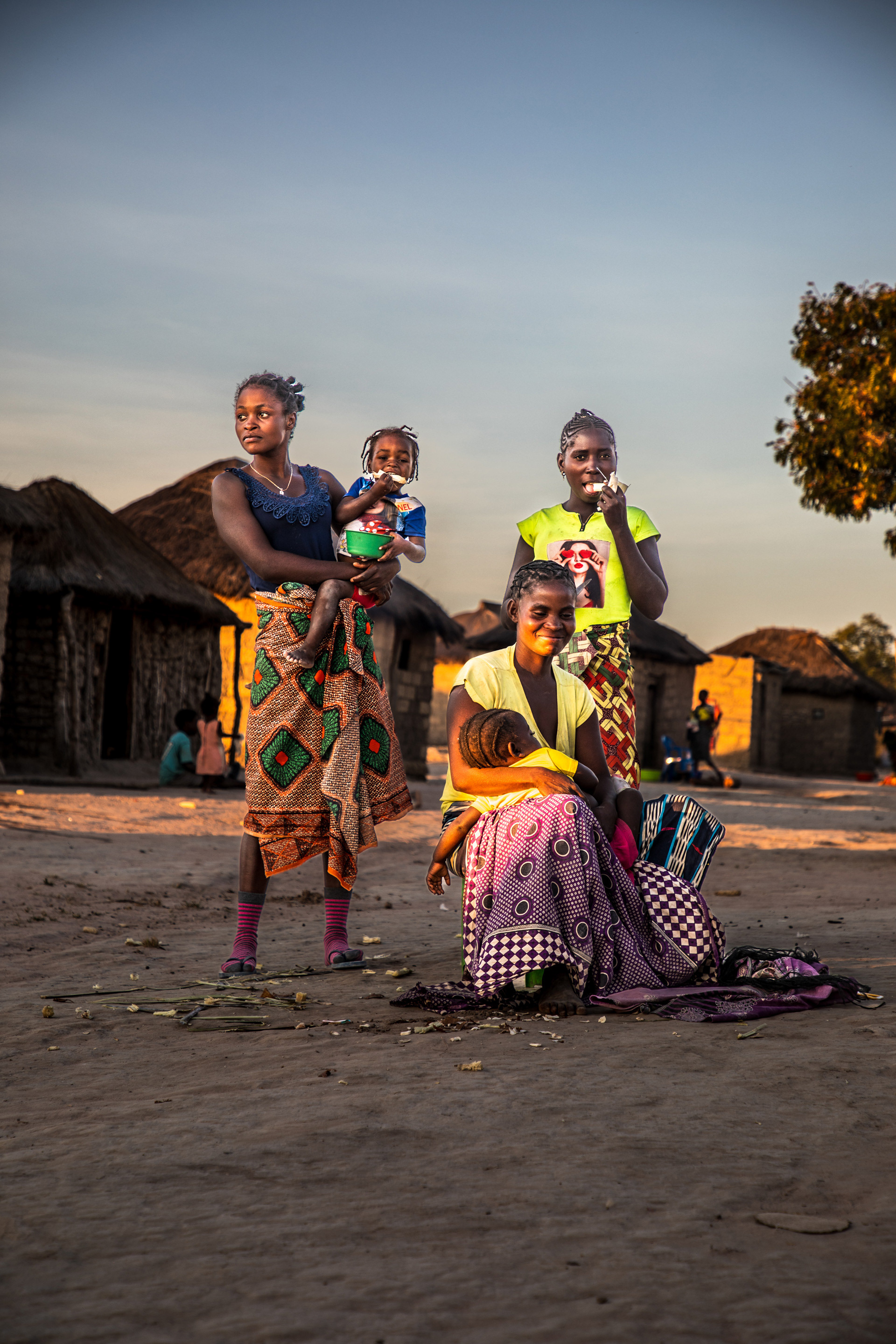
Lusserie village, Bié.
"I have been telling my children about the threat of going to certain places because of the mines.
I am so afraid of the mines."
—Nanda, mother of 10, Lusserie village, Angola.
—Nanda, mother of 10, Lusserie village, Angola.
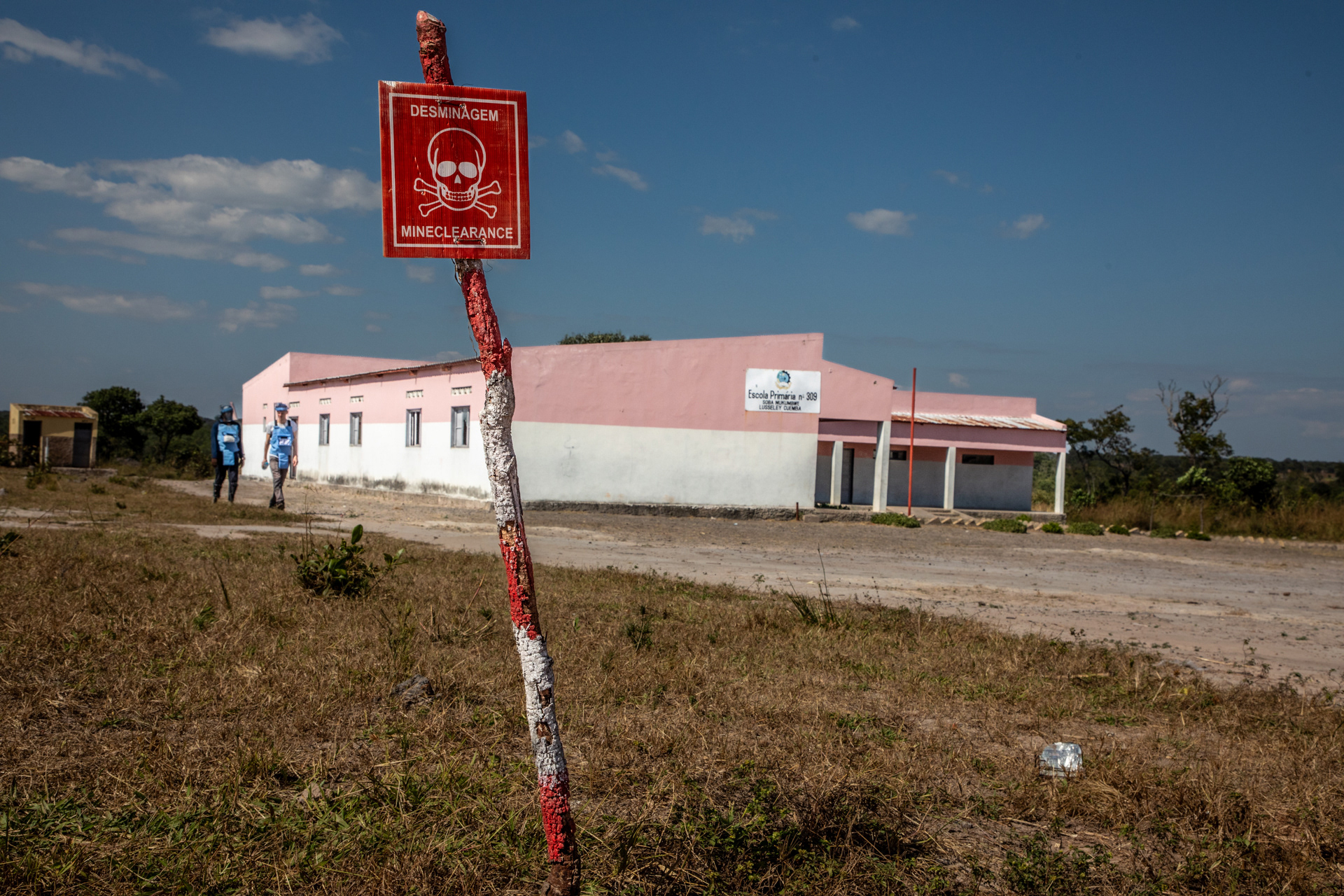

Lusserei village in Bié Province is home to a thousand people. There is a minefield adjacent to the local primary school. National Road 250 connects Lusserei to Cuito train station - one of the many stops along the Lobito railway line.
The province is known as the bread basket of Angola, but the remaining minefields prevent rural communities from benefitting from the development of the railway line.
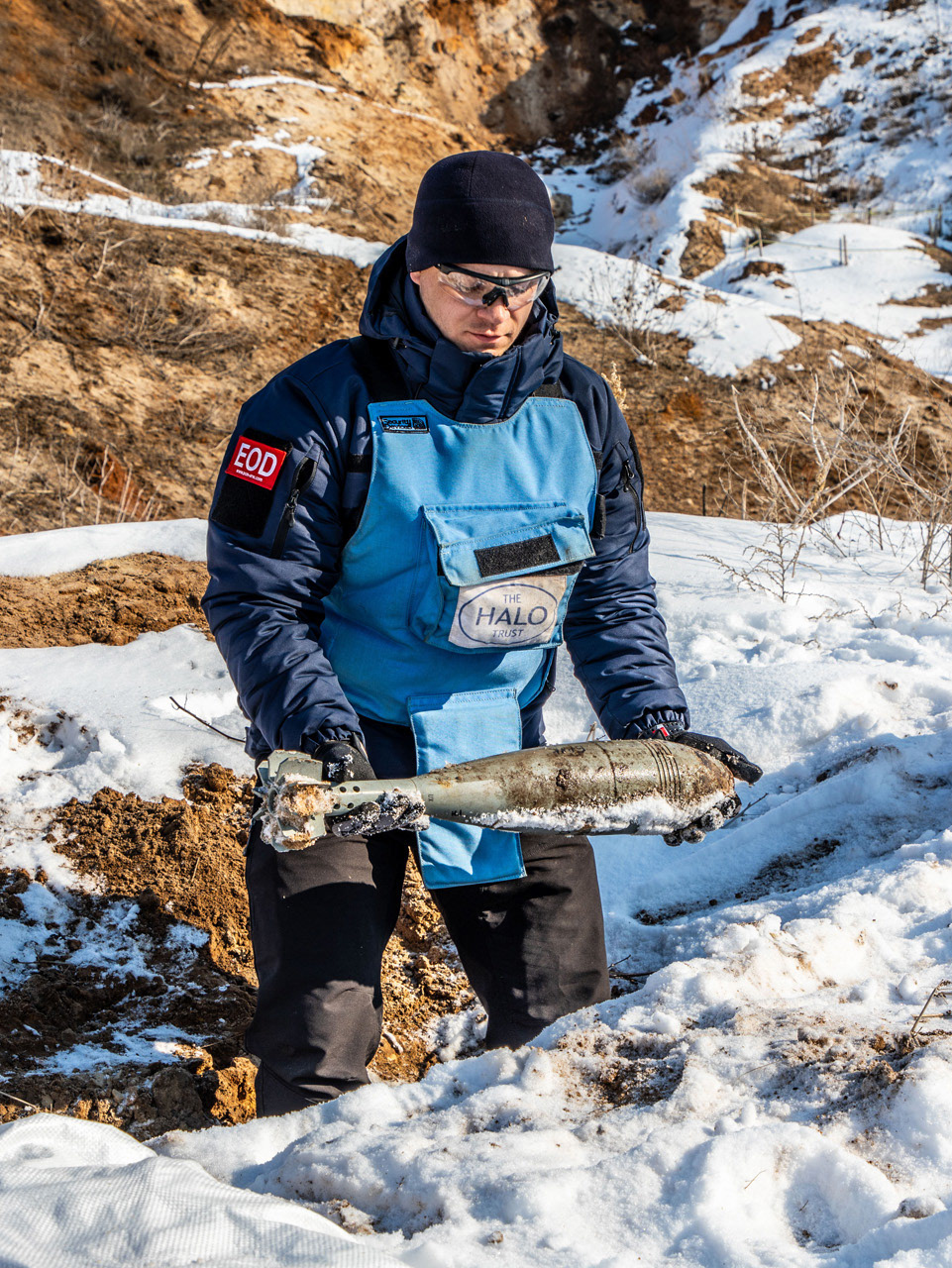
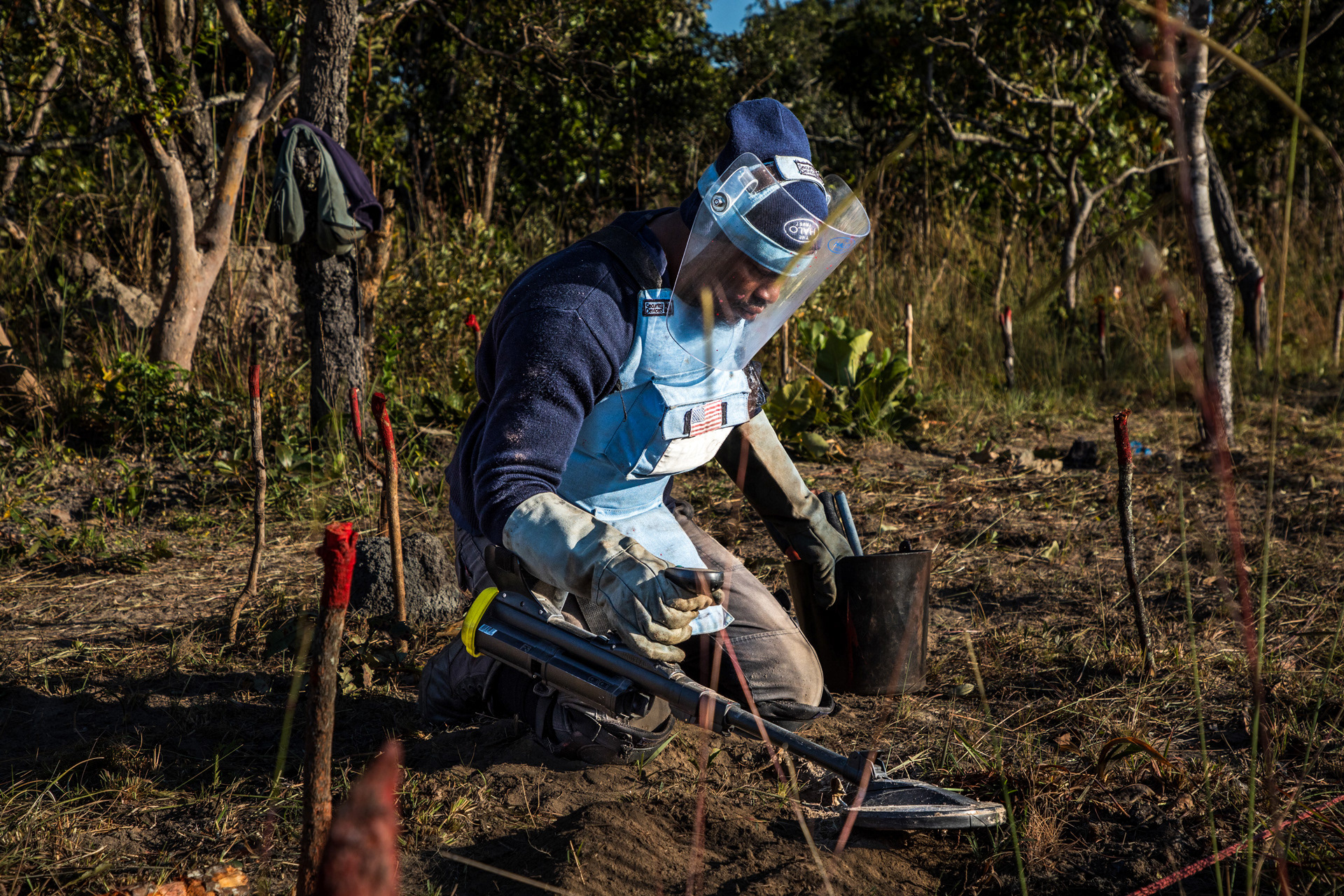
Work is underway to clear the mines.
The location is remote so demining teams live in tented camps next to the village for two months at a time.
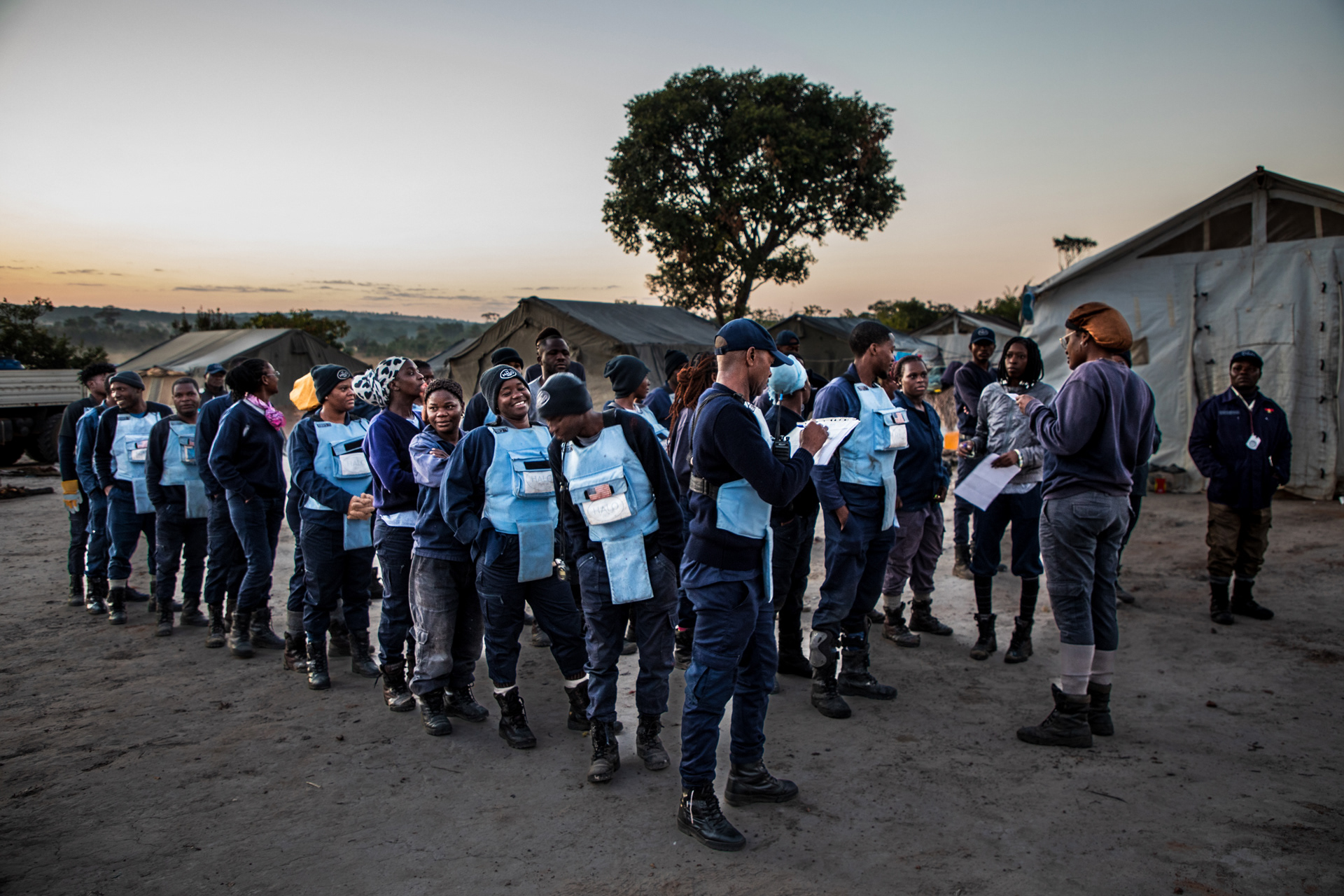
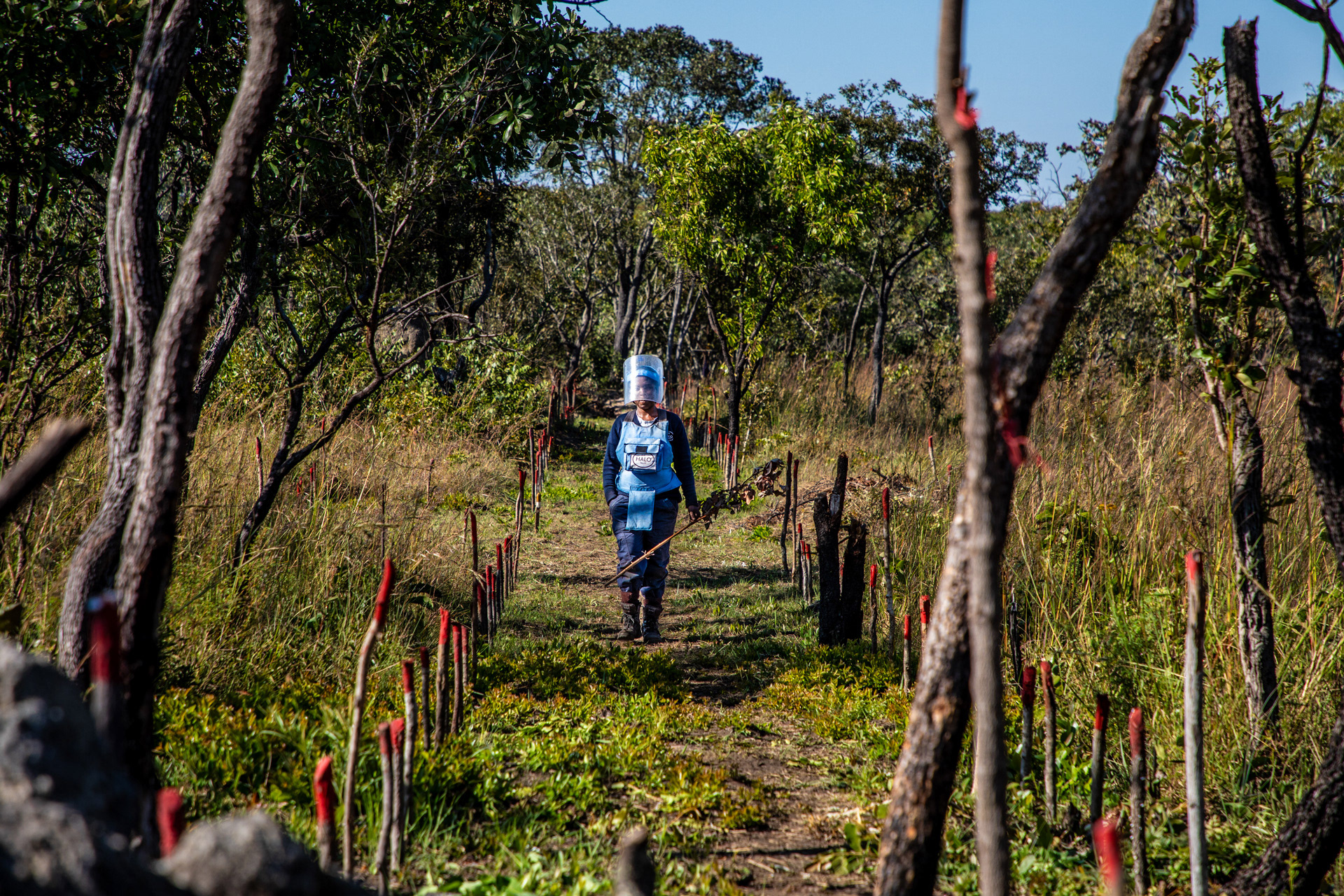
Each minefield is divided into linear strips to be cleared.
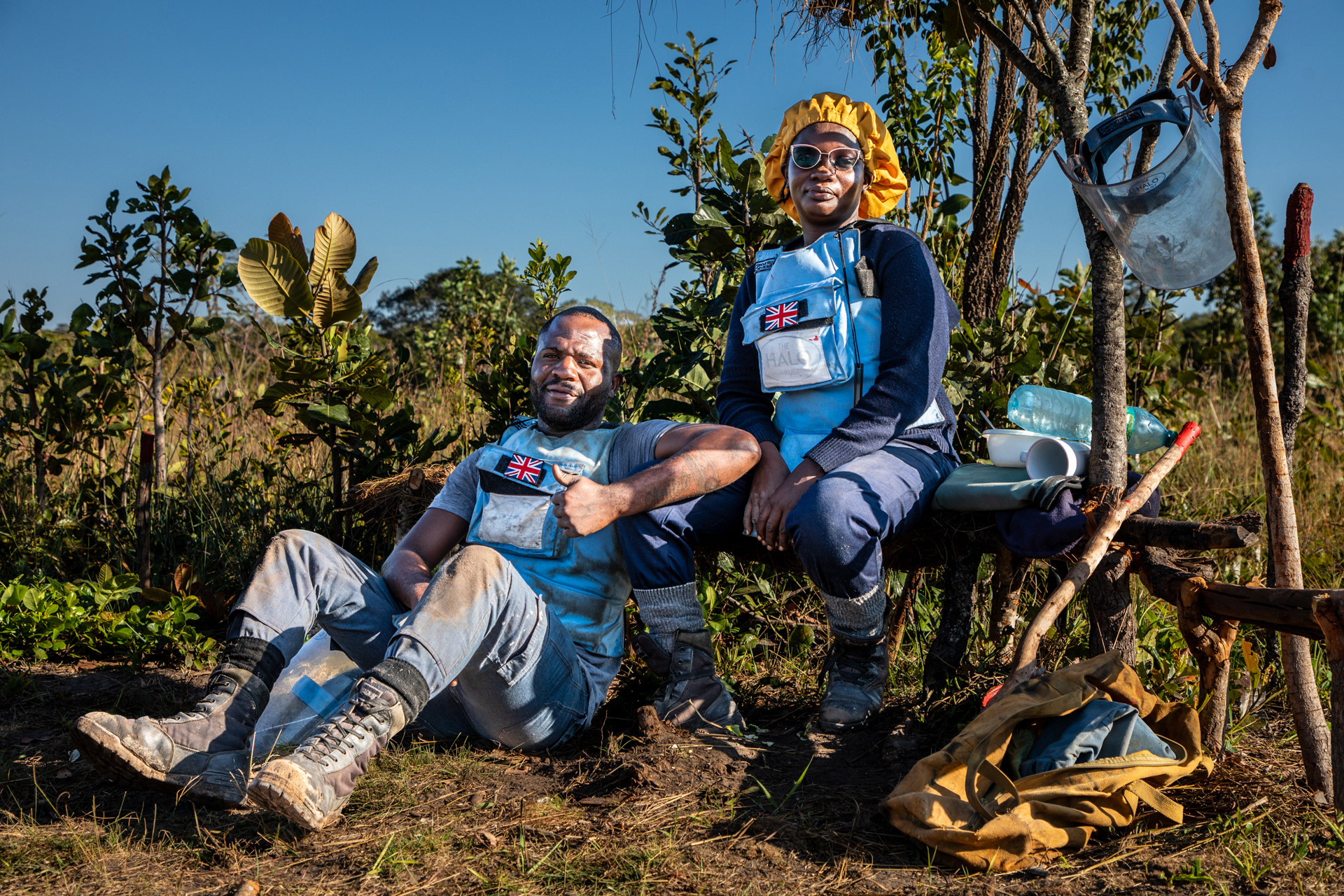
"The only hope we have for our children to live a better life, is to help us remove the mines from this area."
— João, Village Secretary, Lusserei, Angola.
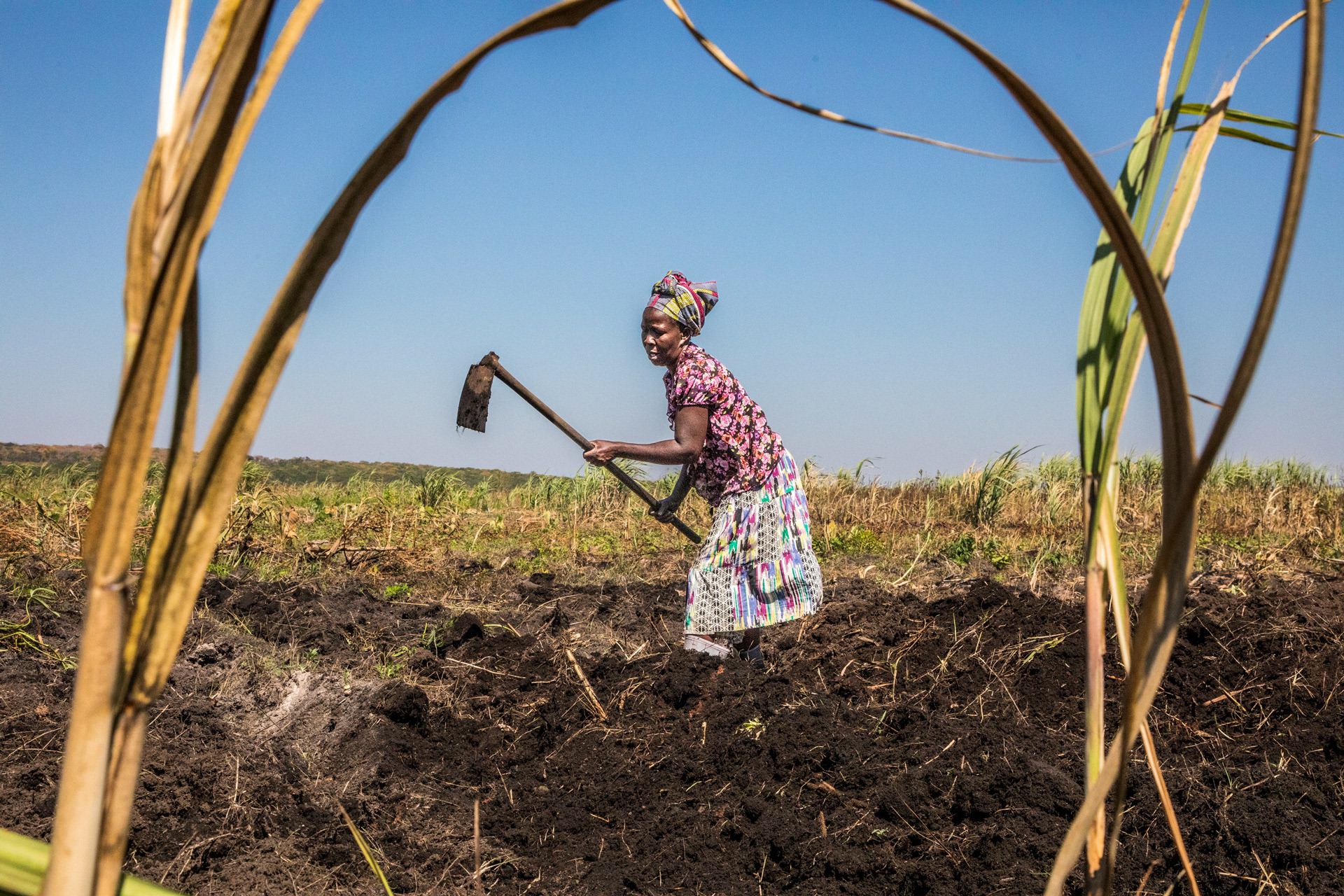
Cuito Cuanavale, Cuando Cubango.
Located at the confluence of the Cuito and Cuanavale rivers, Cuito Cuanavale was the site of the largest tank battle in Africa since World War II. FAPLA and UNITA forces fought here between 1987 and 1988.
In the process, tens of thousands of landmines were laid.
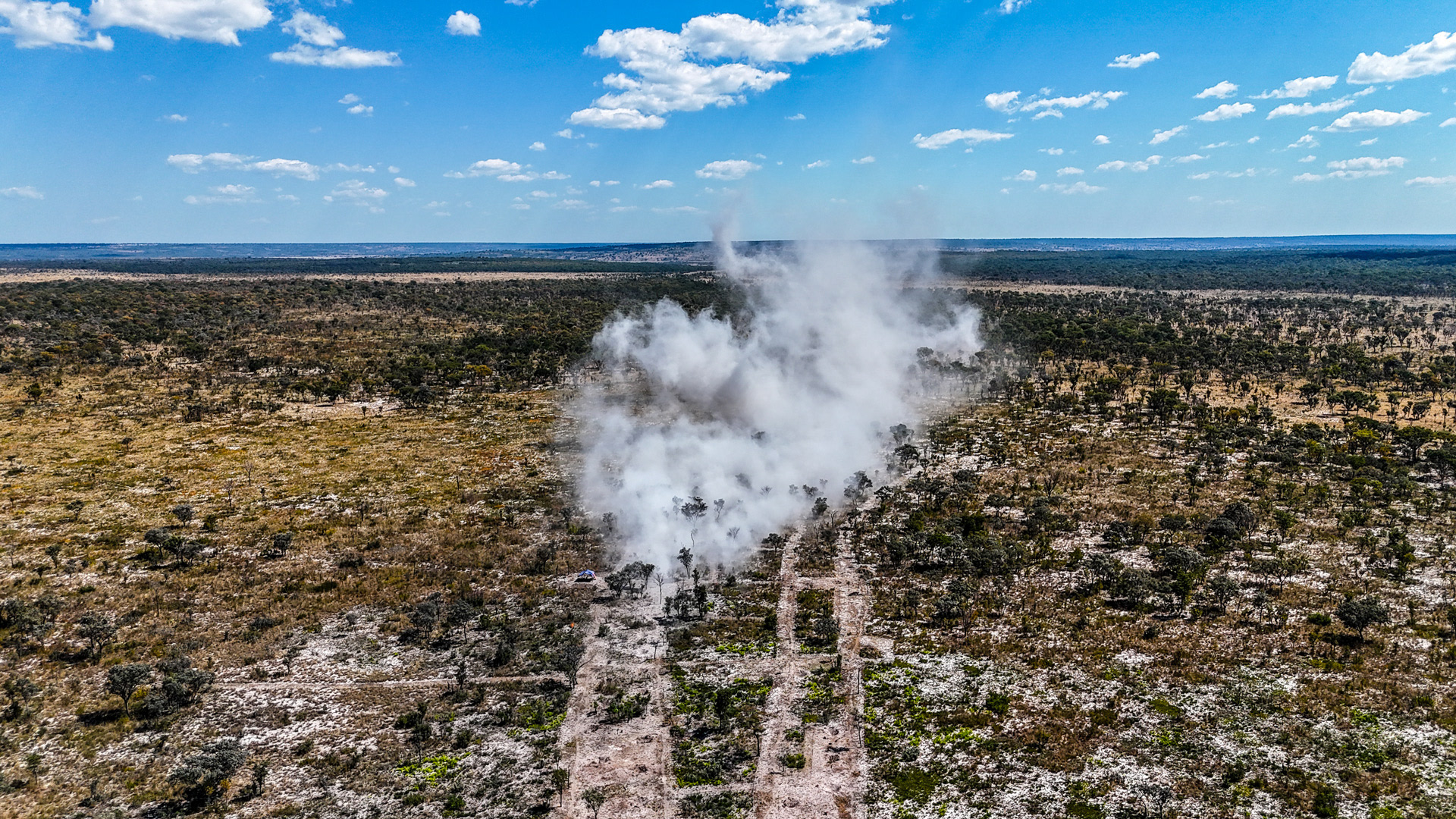
Lines of minefields stretch for 18km, with an estimated 60,000 mines. They have had a devastating impact on the local population.
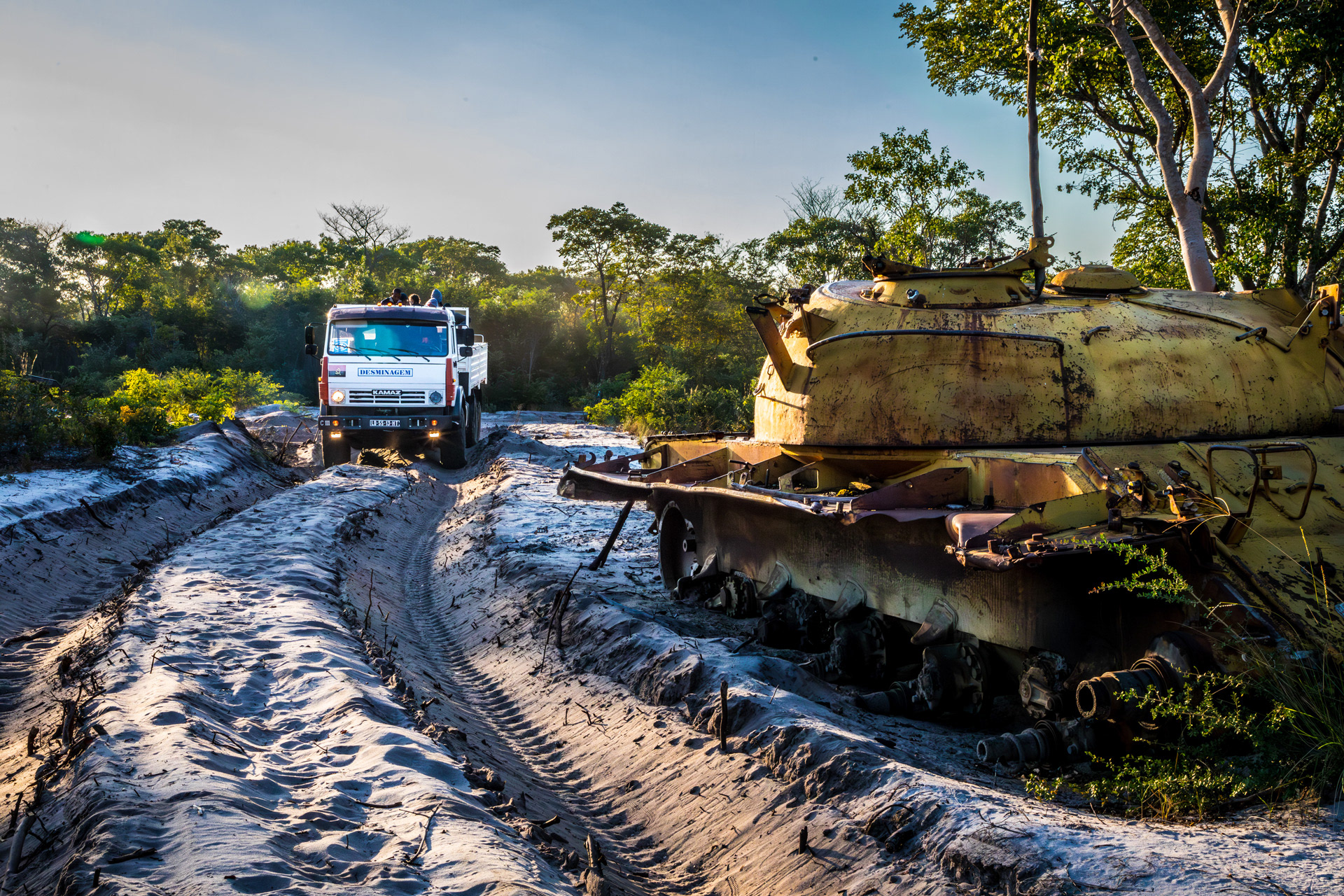
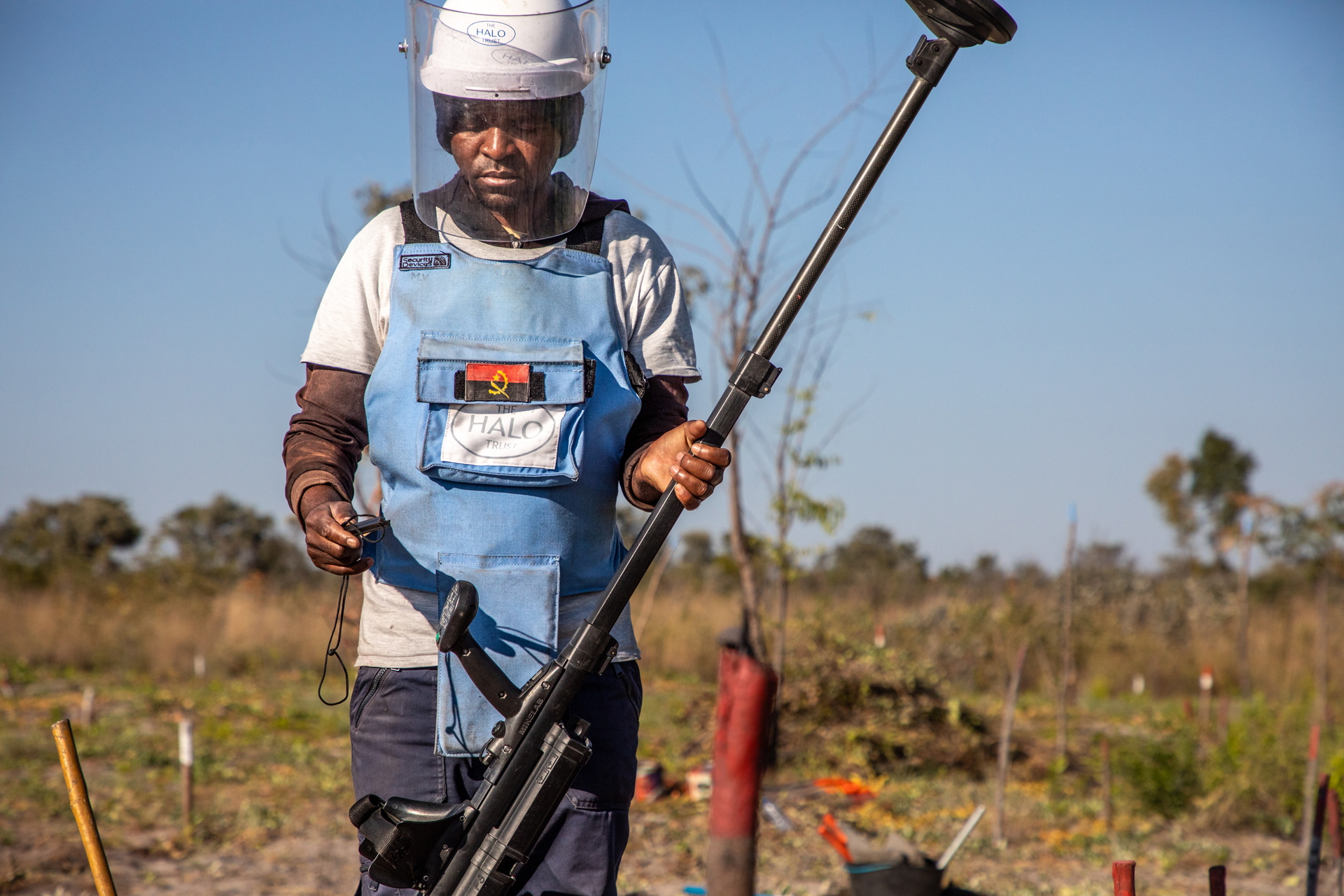
"There were fields we used to call fields of evil."
— Claudio Nunda, Municipal Administrator, Cuito Cuanavale.
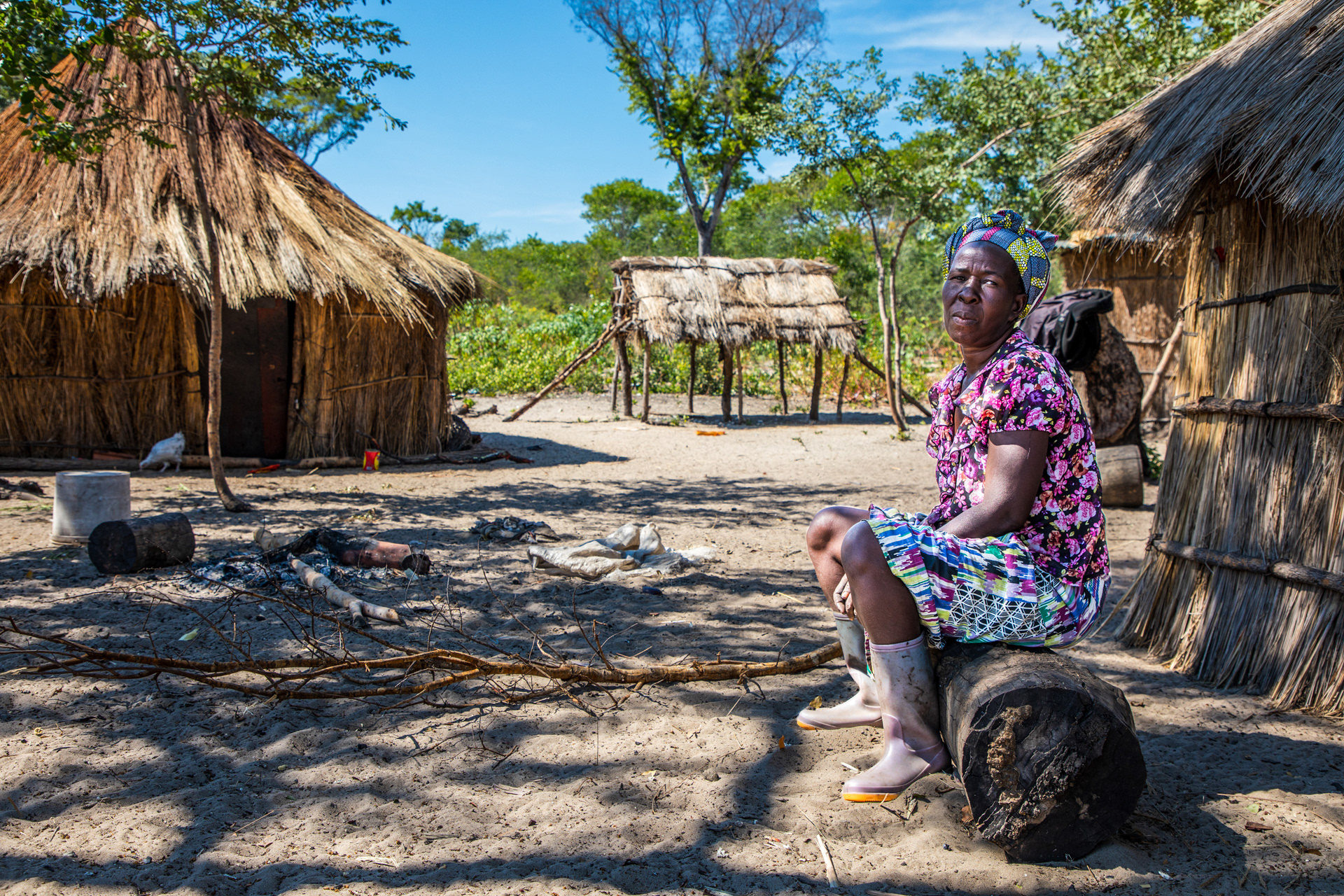
The surrounding villages of San Maria and N'Dala have felt the impact for generations.
"If you walked for 30 minutes , you would have an accident because of the mines."
— João, local Deminer for The HALO Trust, Cuito Cuanavale.
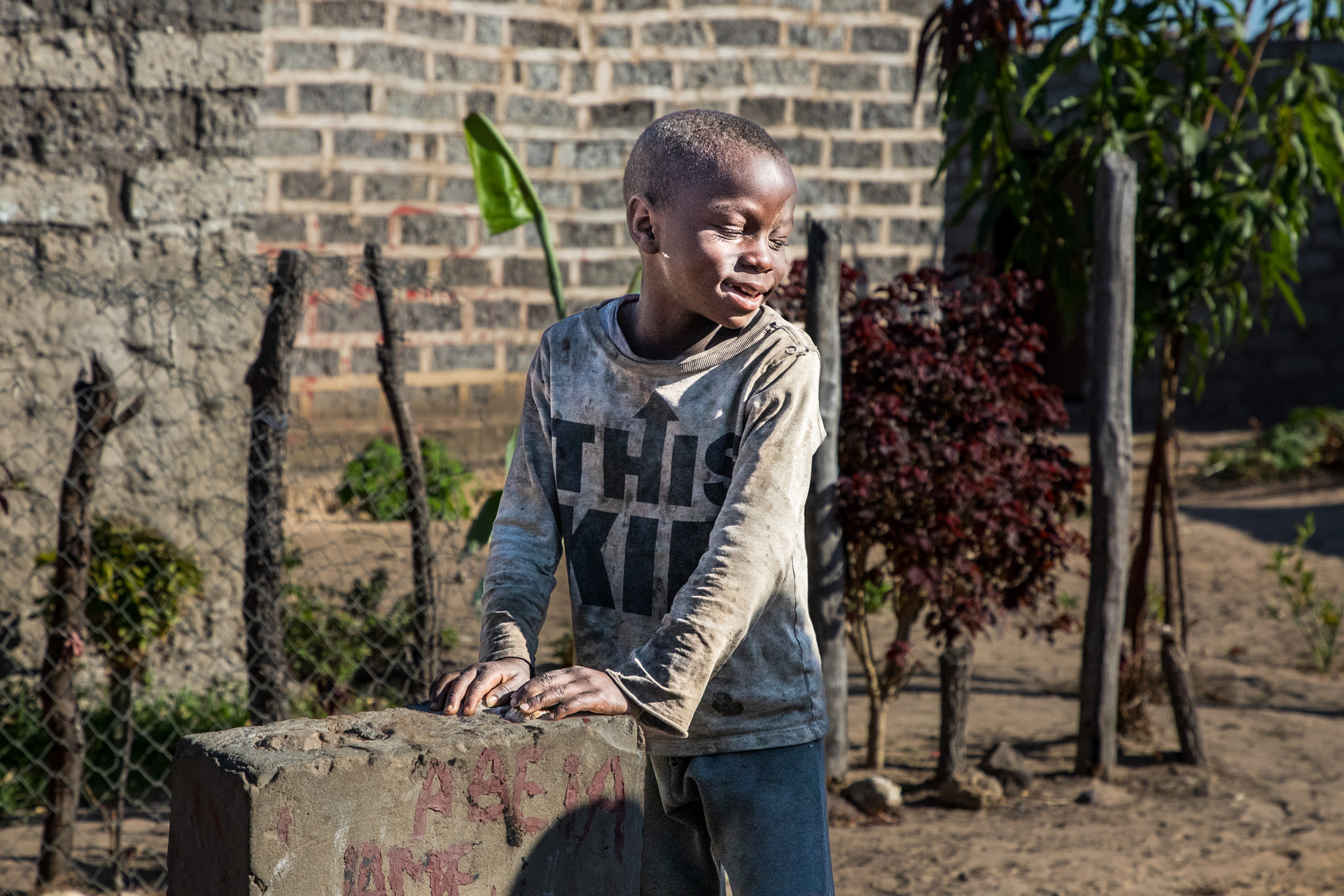
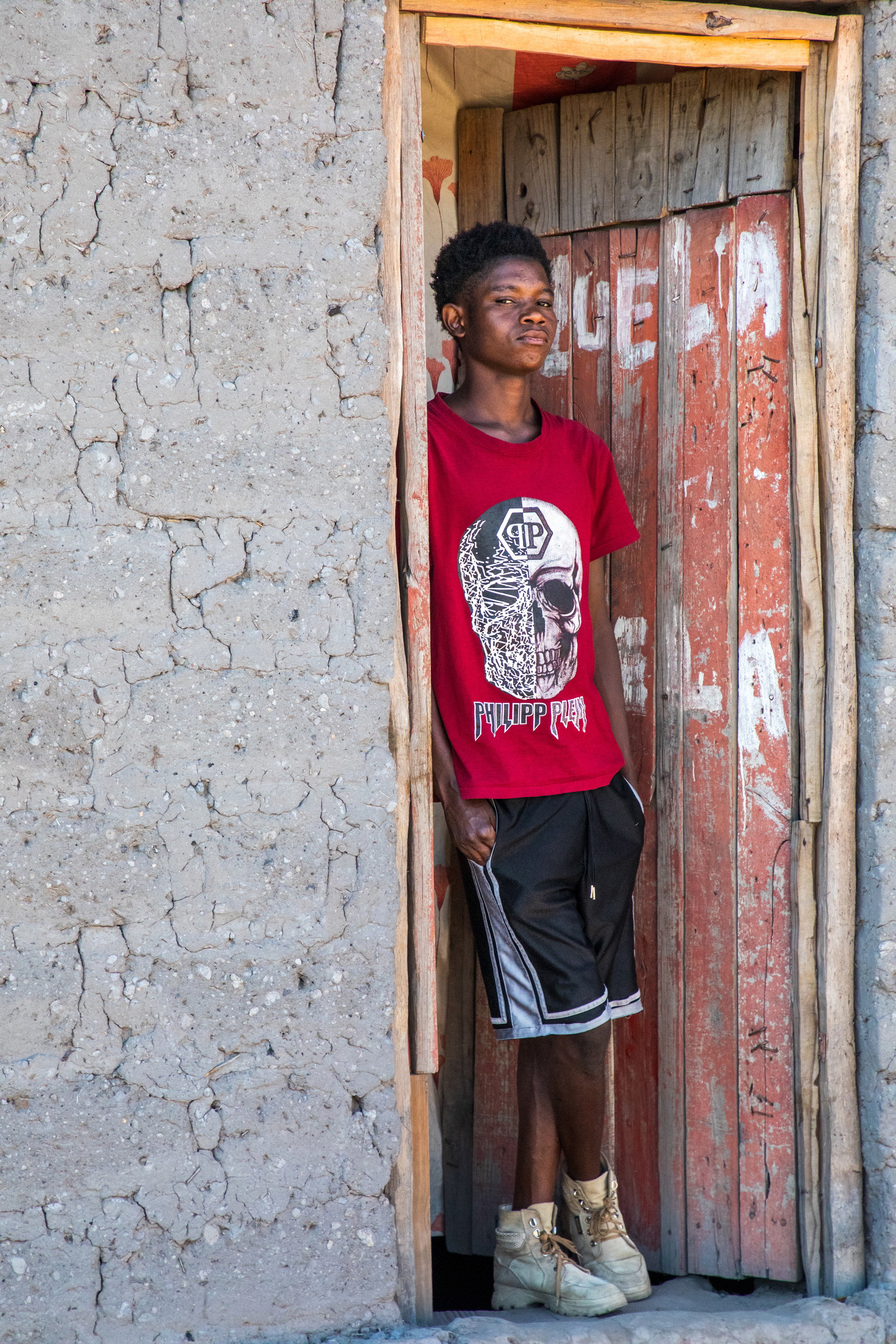
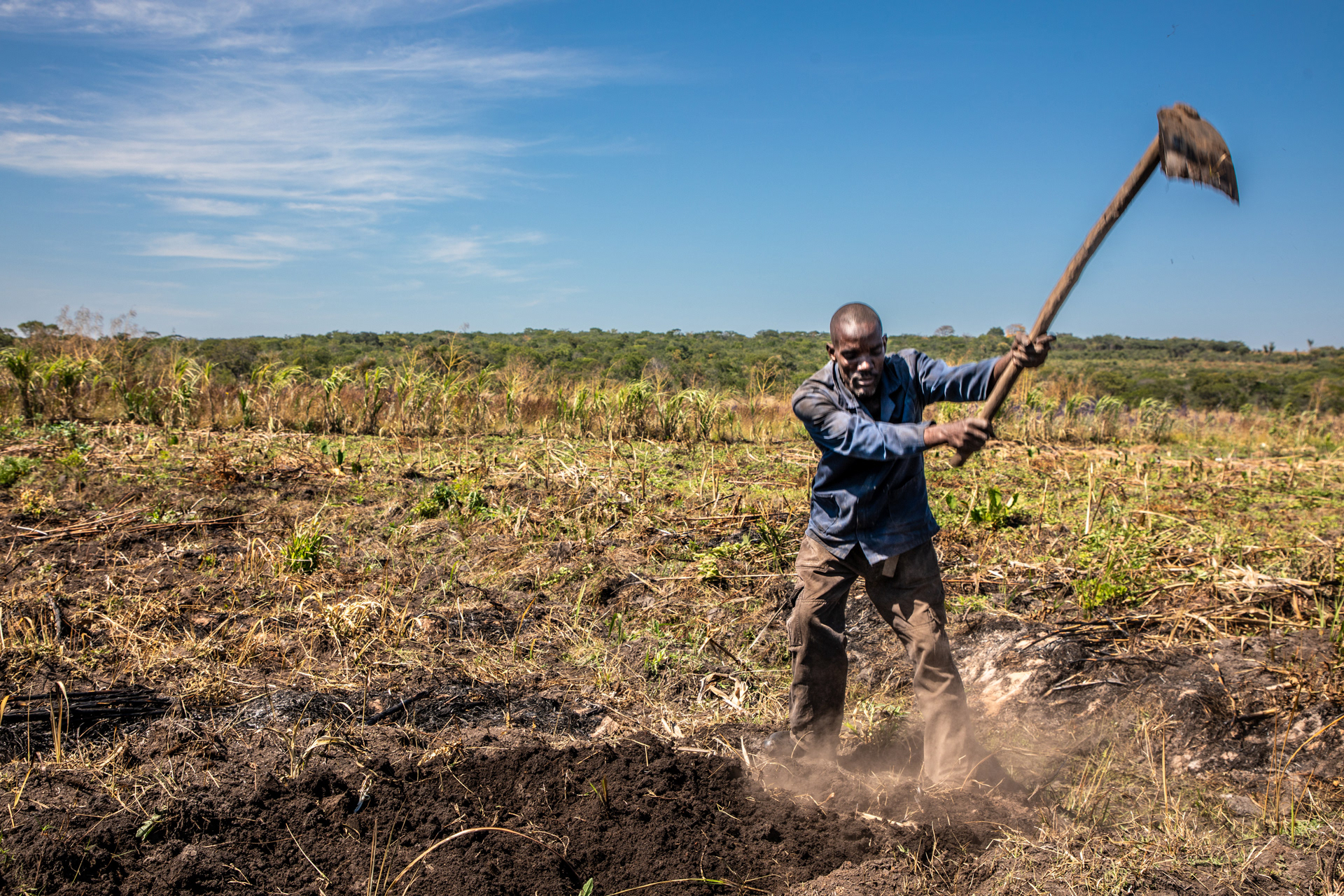
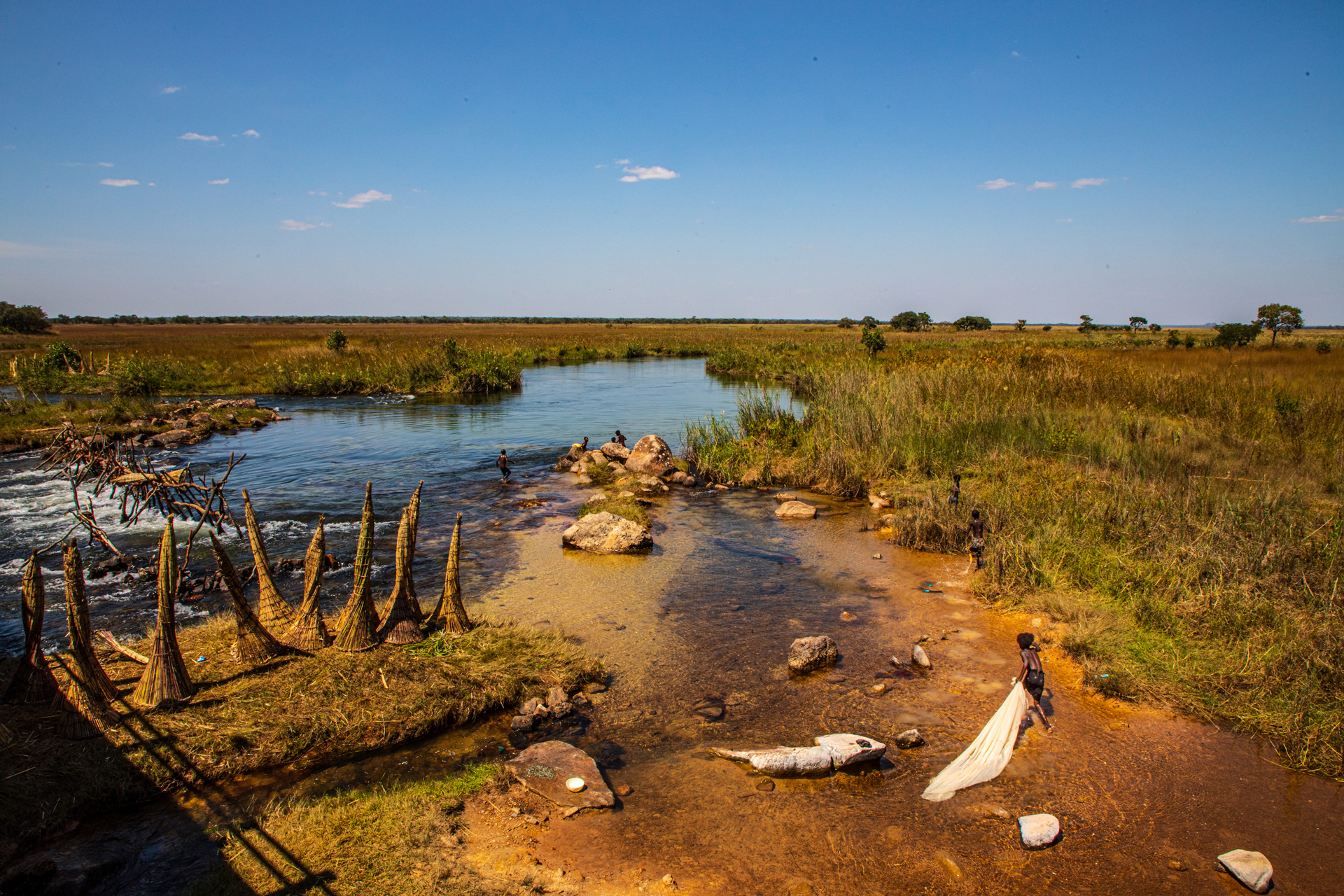
As clearance continues, access to land is gradually being restored, though progress remains uneven.