Zimbabwe - Life Saving Lessons
Documentary photography exploring the generational impact of landmines and the daily reality for children growing up alongside the minefields in Zimbabwe.
Shot on assignment for INEOS Grenadiers, while working alongside local teams and families affected by landmines.
Zimbabwe is one of the most heavily mined countries in the world, a legacy of the Liberation War in the 1970s. Along the borders in the northeast, up to 5,500 mines were laid per kilometre.
Shot on assignment for INEOS Grenadiers, while working alongside local teams and families affected by landmines.
Zimbabwe is one of the most heavily mined countries in the world, a legacy of the Liberation War in the 1970s. Along the borders in the northeast, up to 5,500 mines were laid per kilometre.
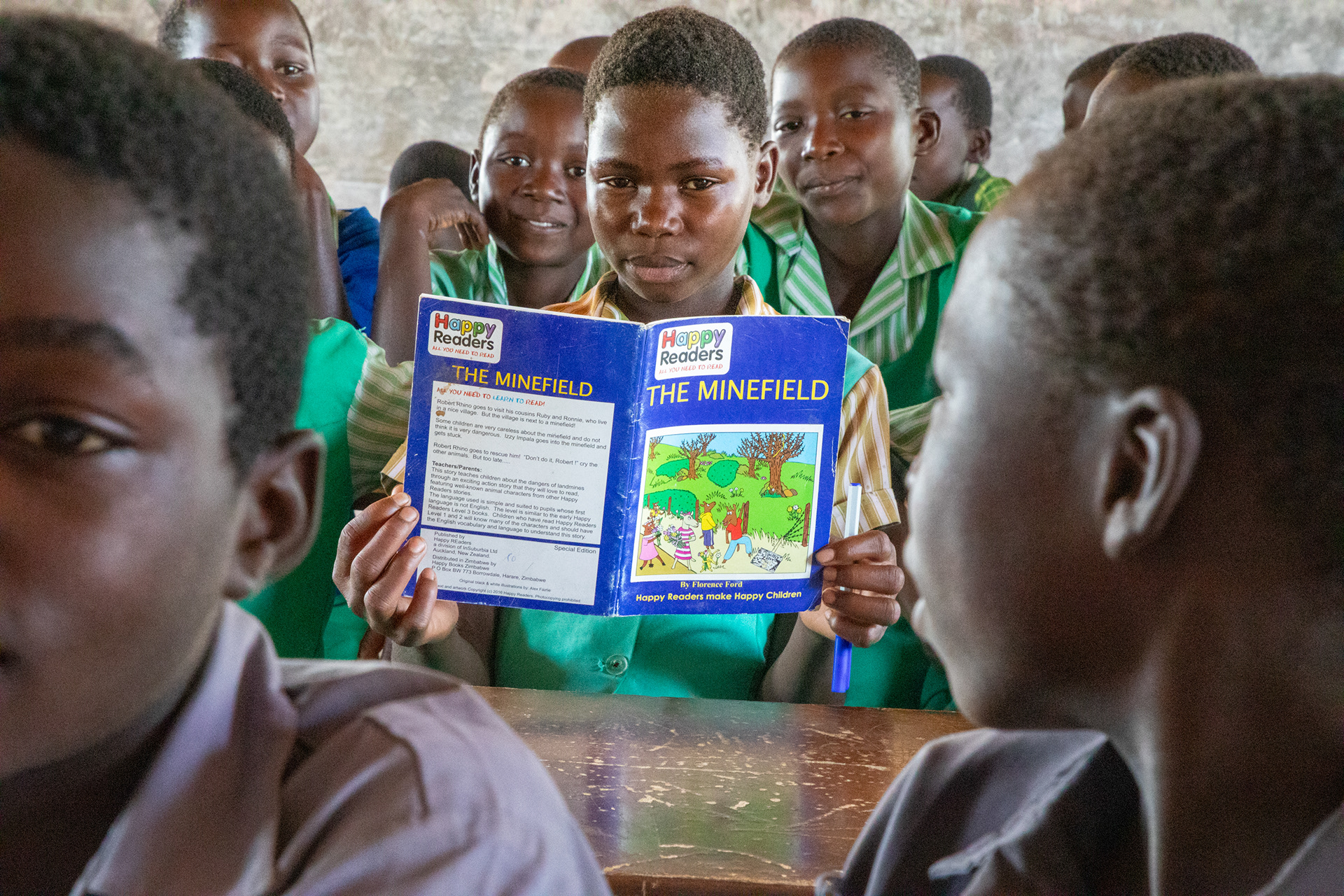
“I am afraid of stepping on a landmine on the way to school.”
— Samantha, Rushinga, Zimbabwe.
Samantha, 11, loves school but each day she risks crossing a minefield to get there.
— Samantha, Rushinga, Zimbabwe.
Samantha, 11, loves school but each day she risks crossing a minefield to get there.
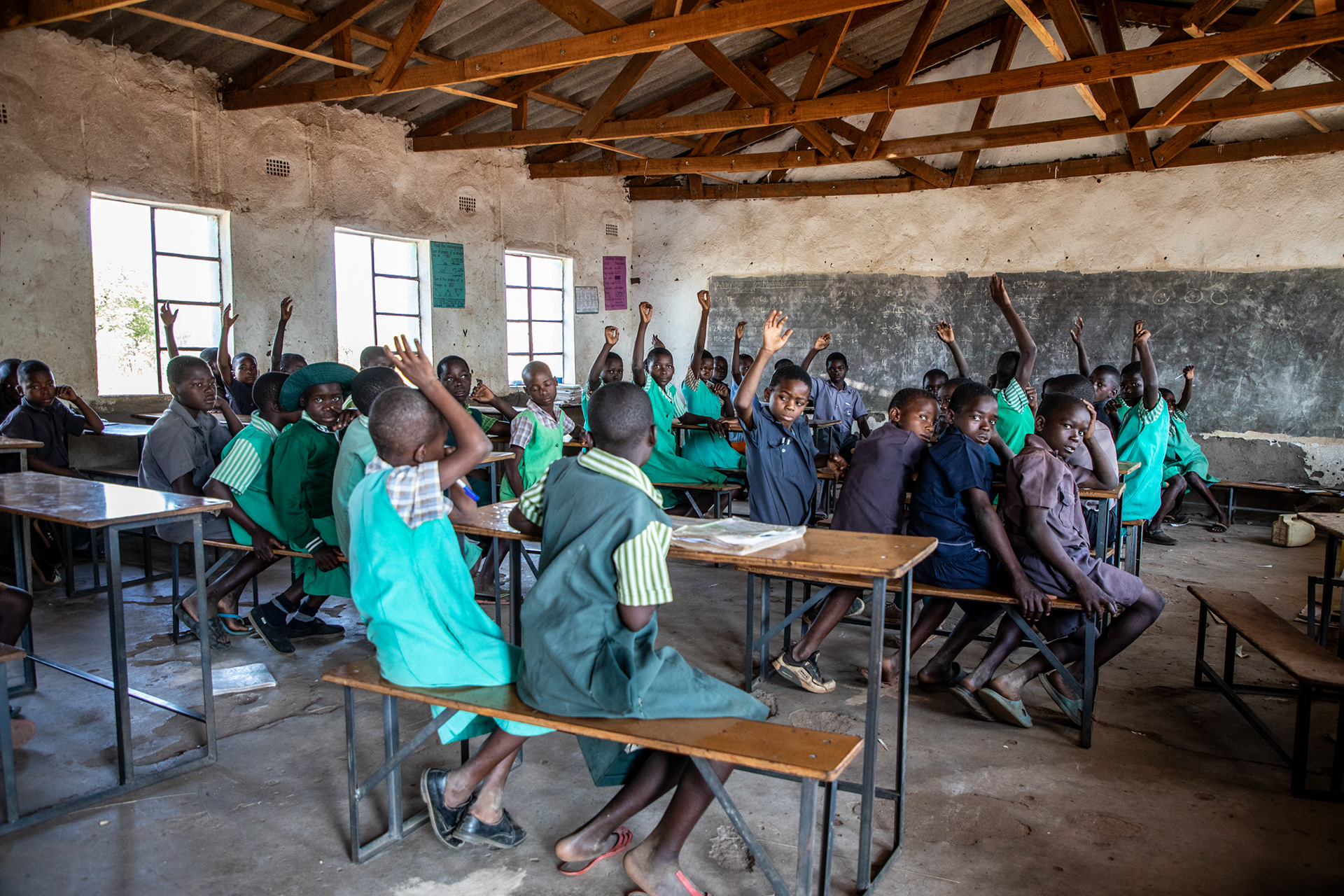
"Raise your hand if you walk through a minefield to school."
This is the daily reality for children attending this school in Rushinga — one of the most densely mined regions of Zimbabwe.
This is the daily reality for children attending this school in Rushinga — one of the most densely mined regions of Zimbabwe.
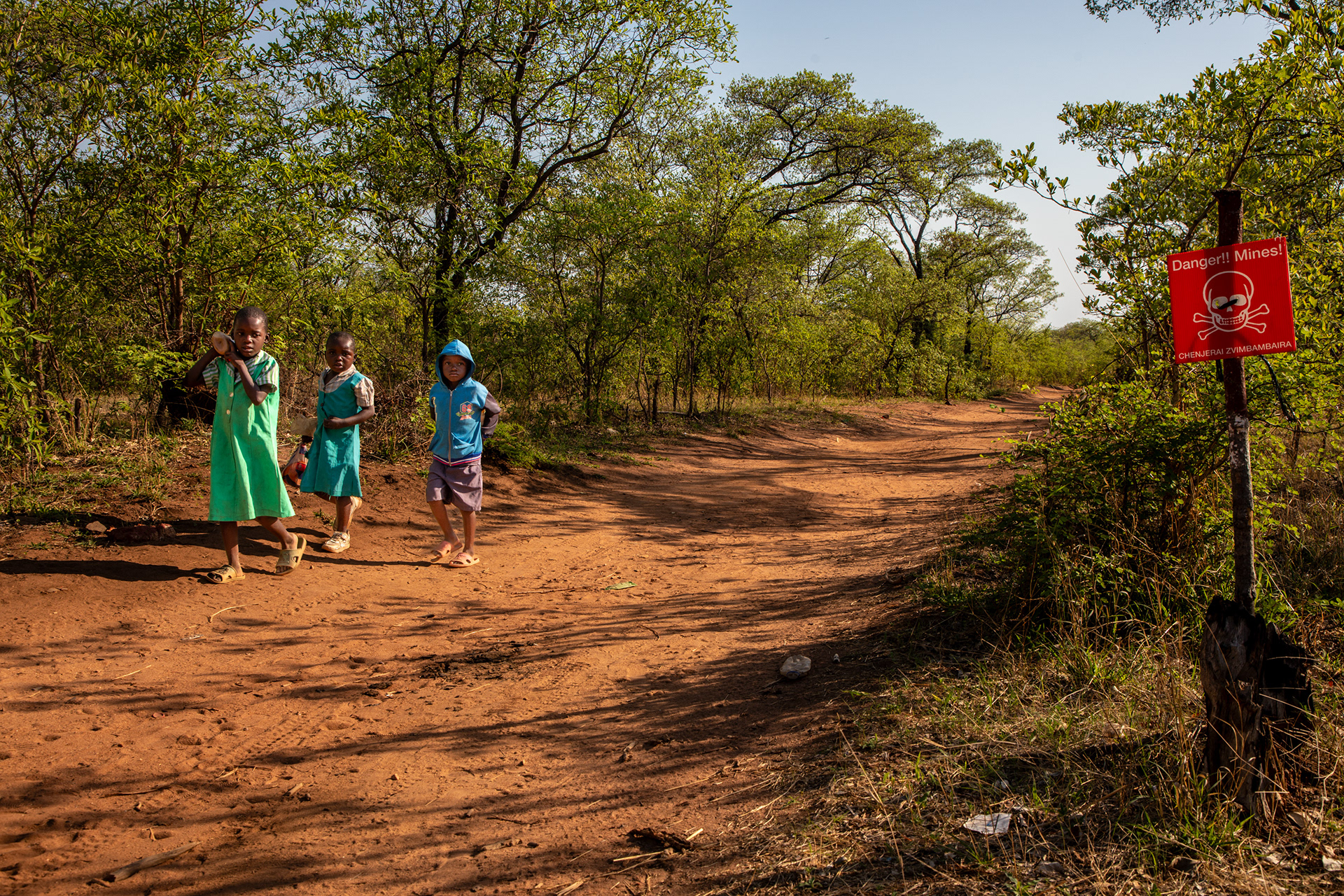
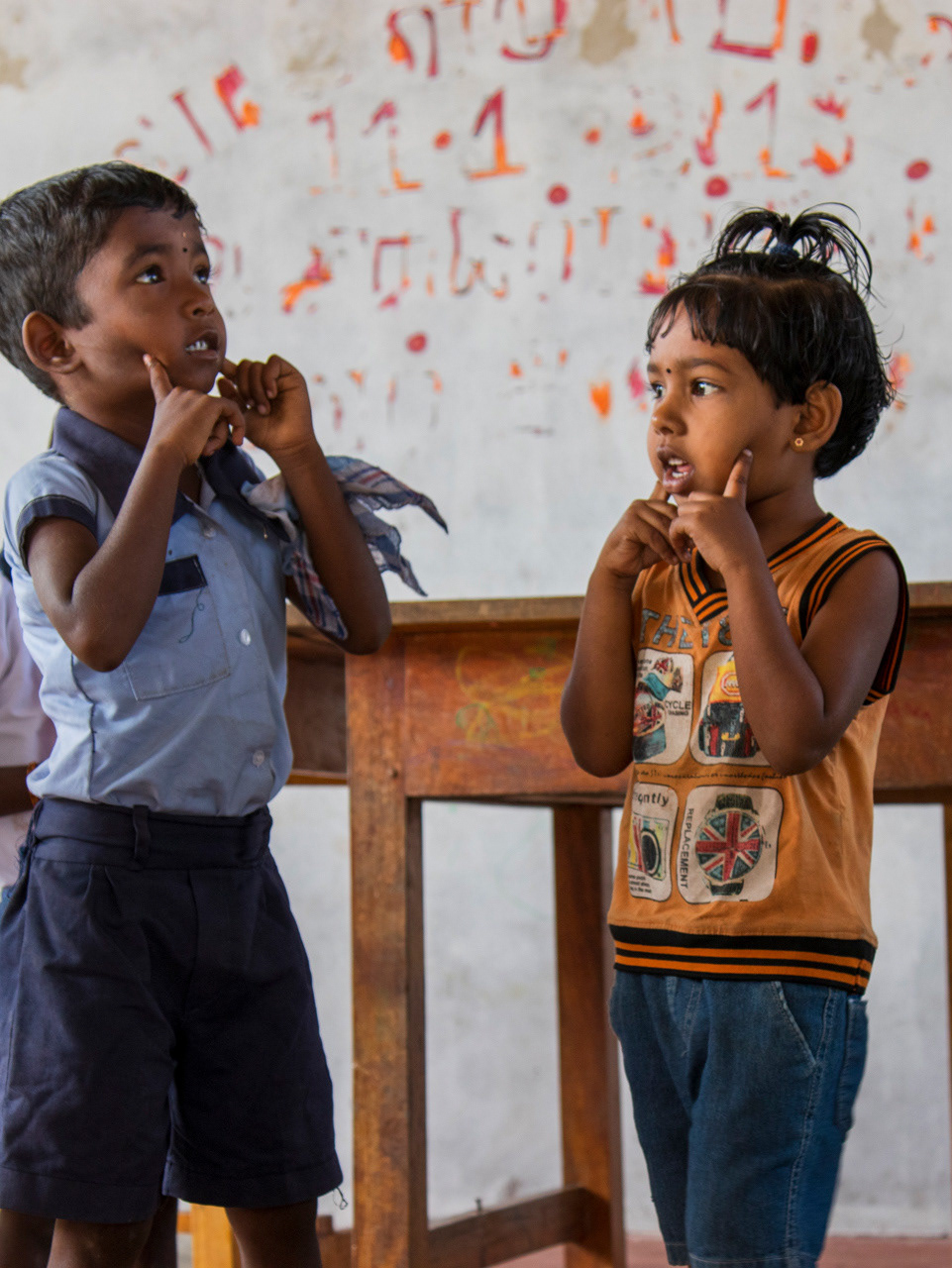
Children as young as four walk this route to school. Older students guide the youngest, staying on narrow, well-worn paths to reduce the risk of stepping on a mine.
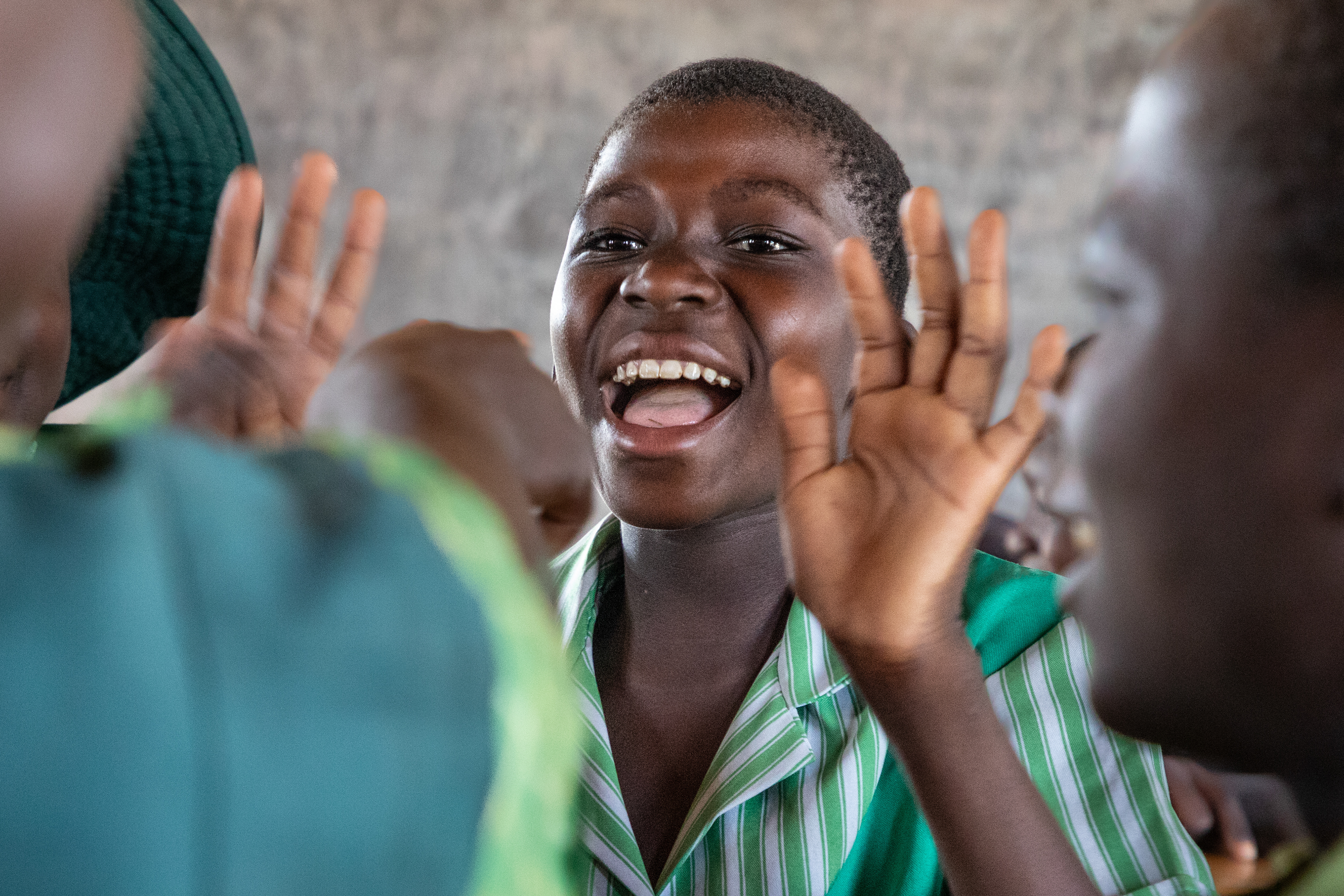
Despite the danger, play and learning continue.
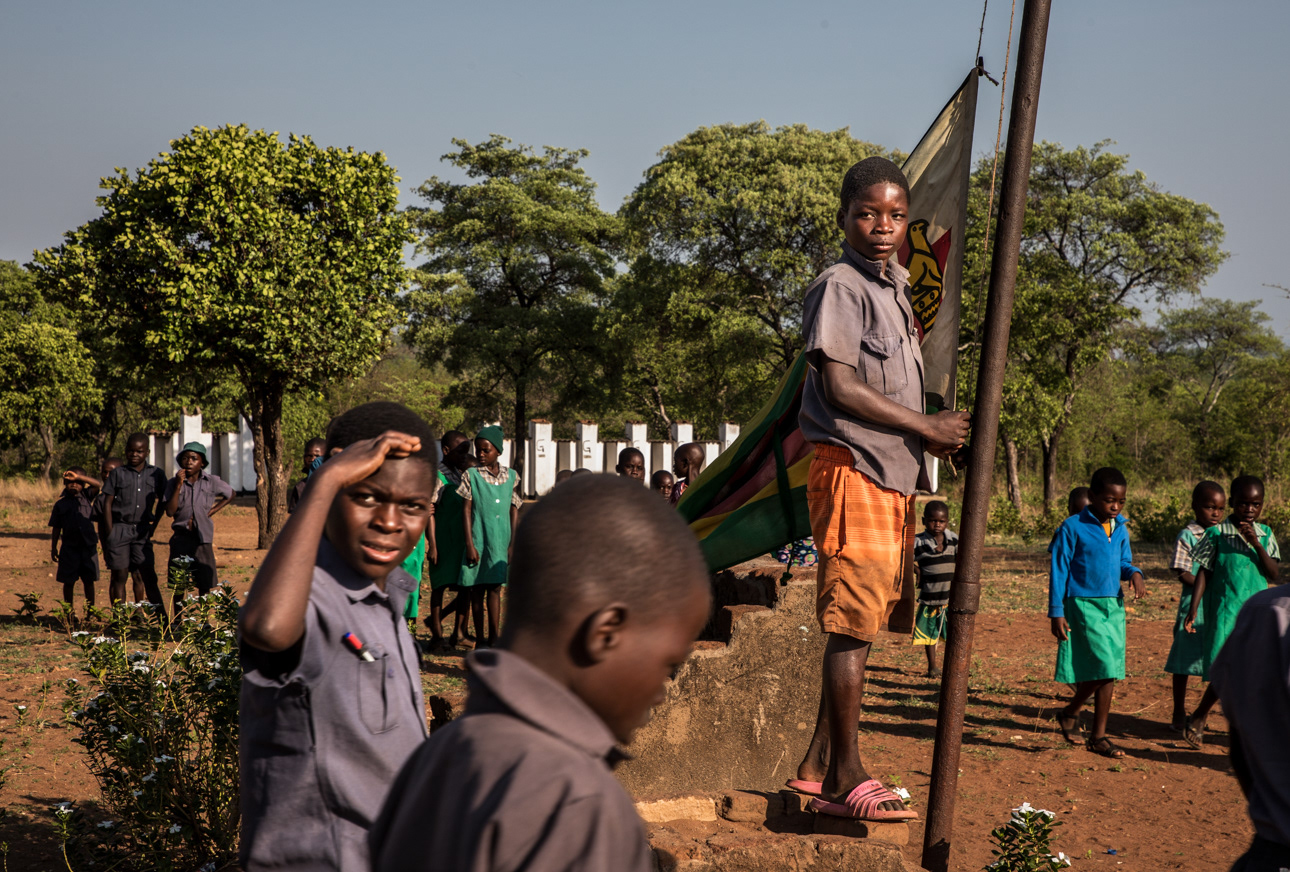
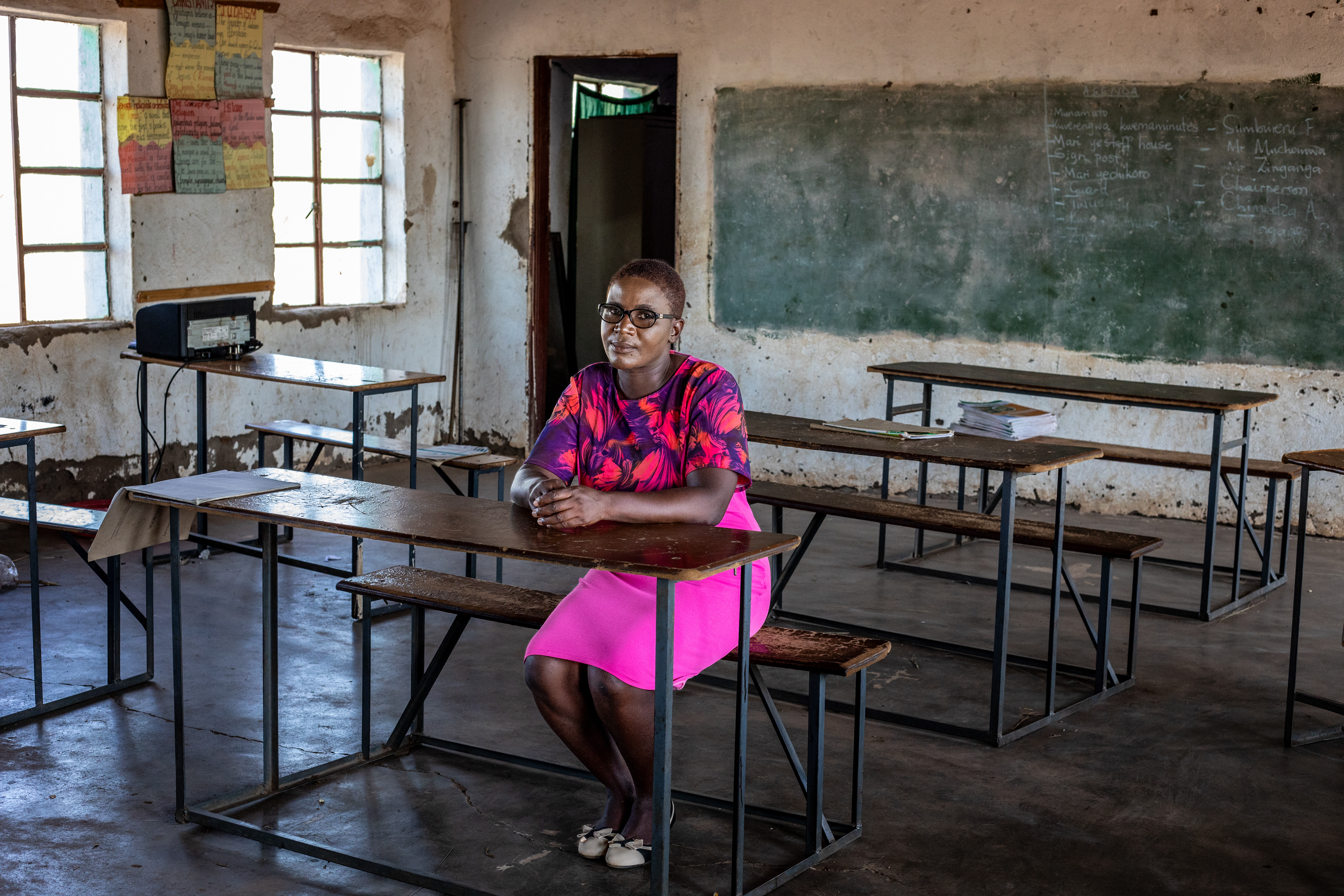
"As a teacher, I am very worried because there is the possibility of losing one of our children to the mines.
We have awareness campaigns to teach them how to cross the minefield."
— Mrs Abigail, teacher, Rushinga, Zimbabwe.
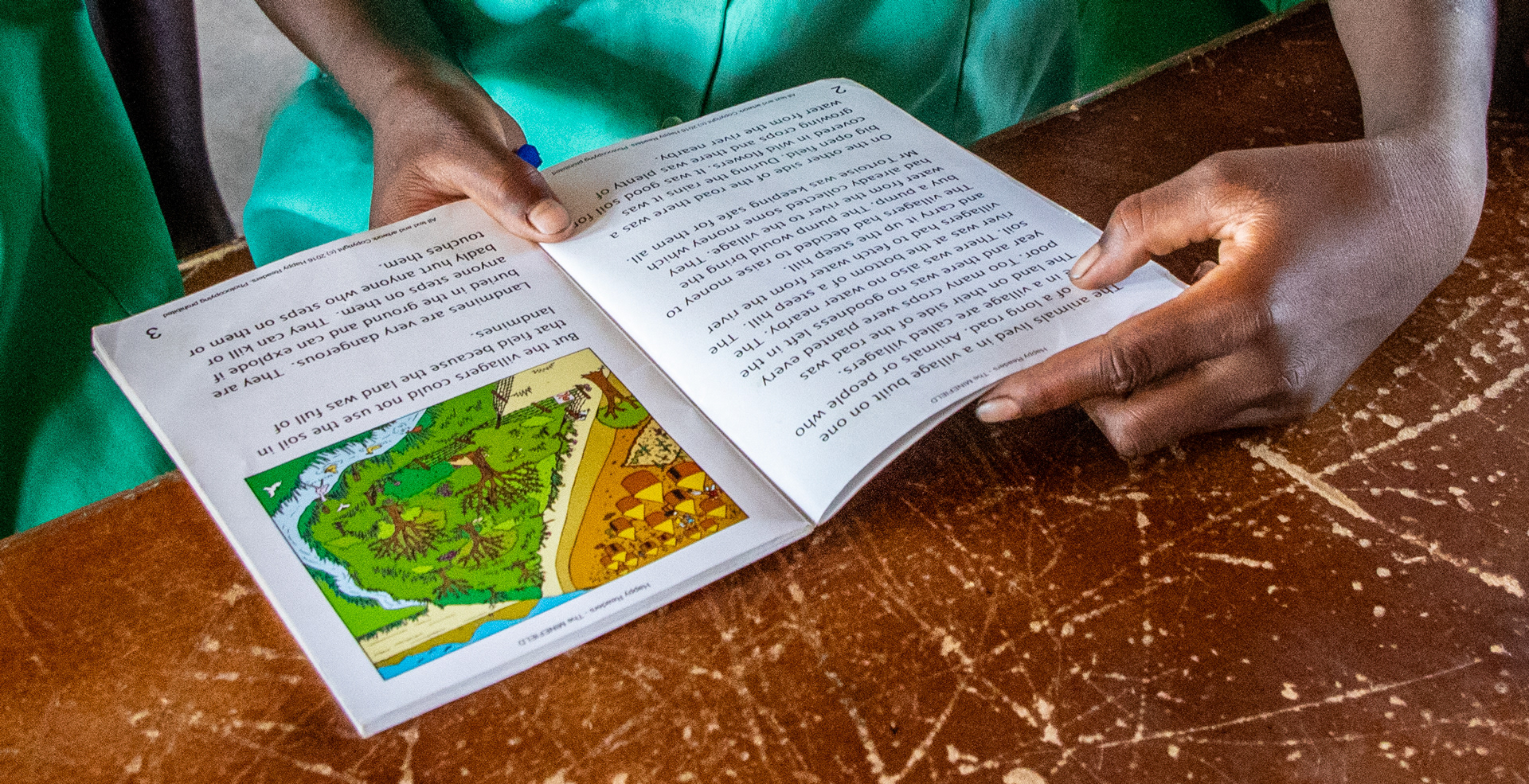
Special storybooks are used to teach the children how to recognise and stay safe from the mines.
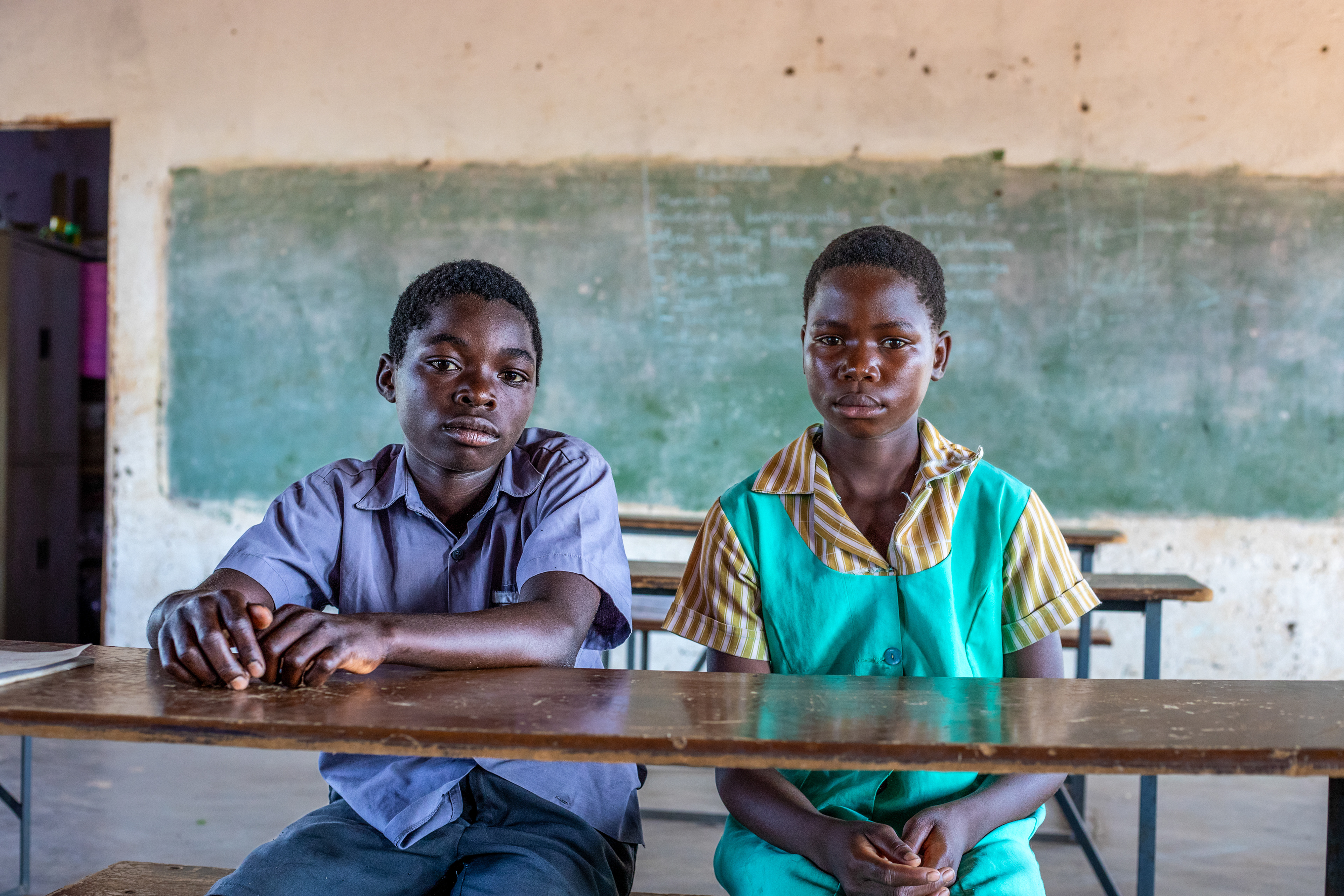
"What I enjoy the most is learning, playing soccer and running."
— Evaristo, Rushinga, Zimbabwe.
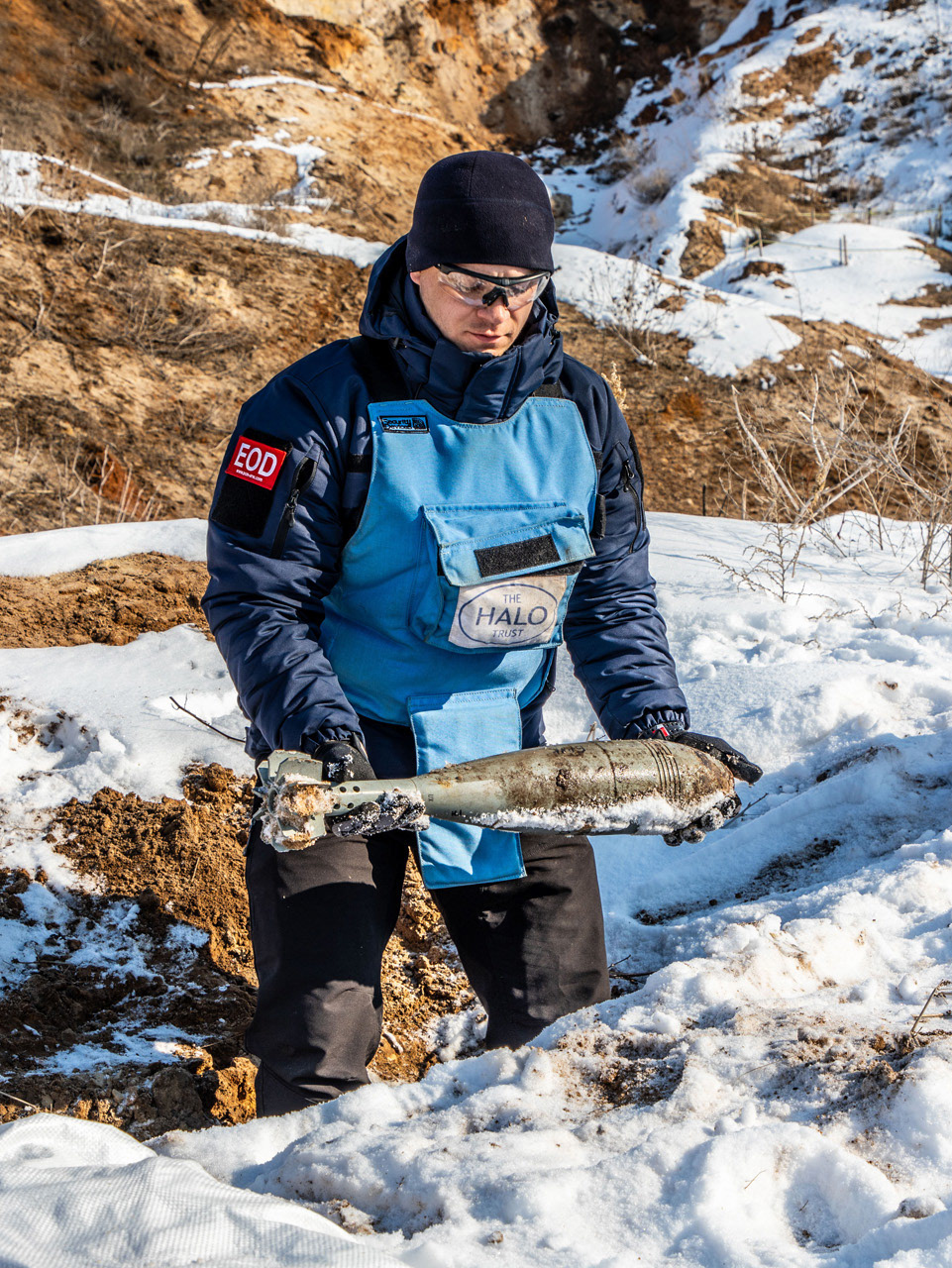
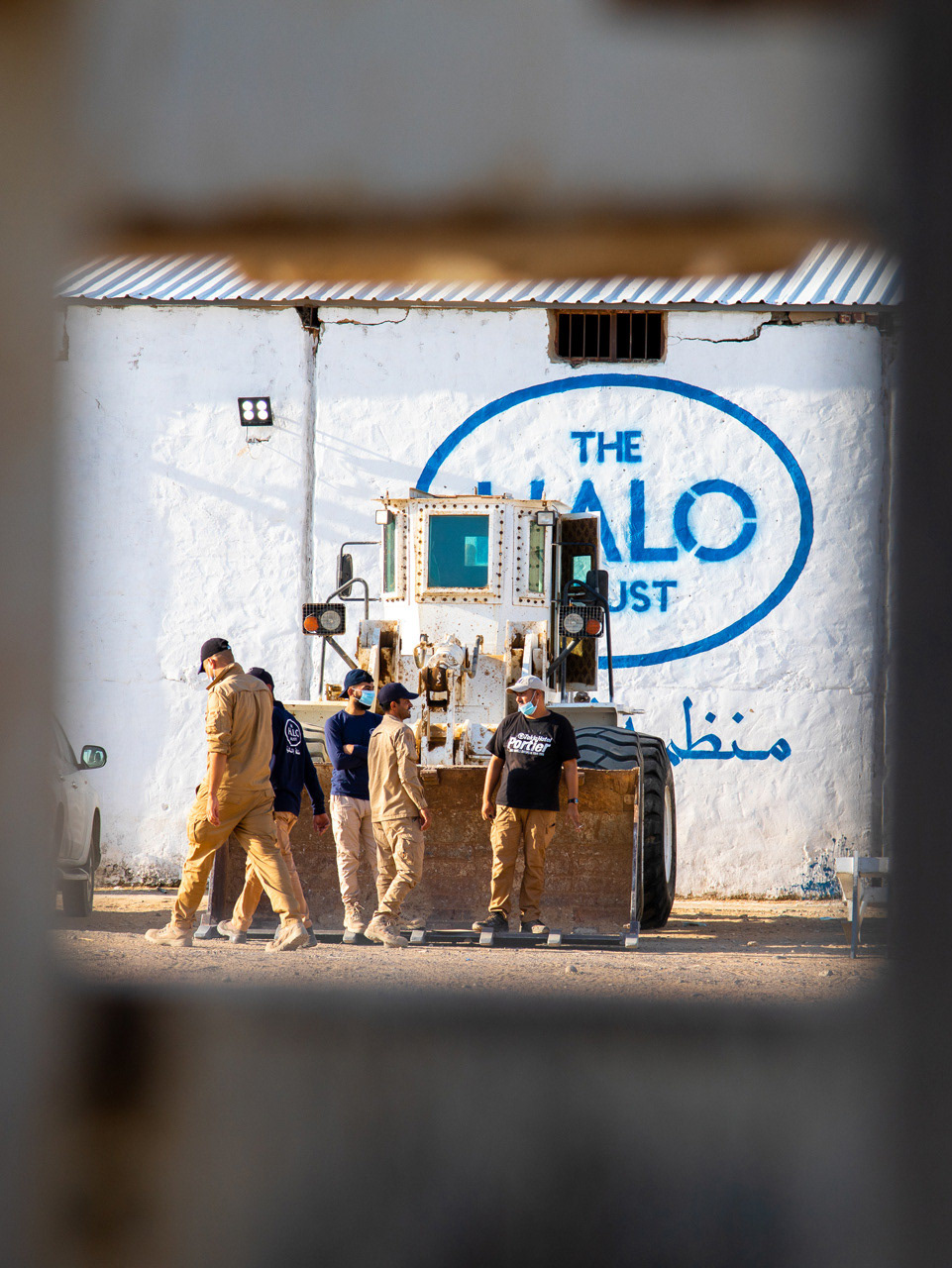
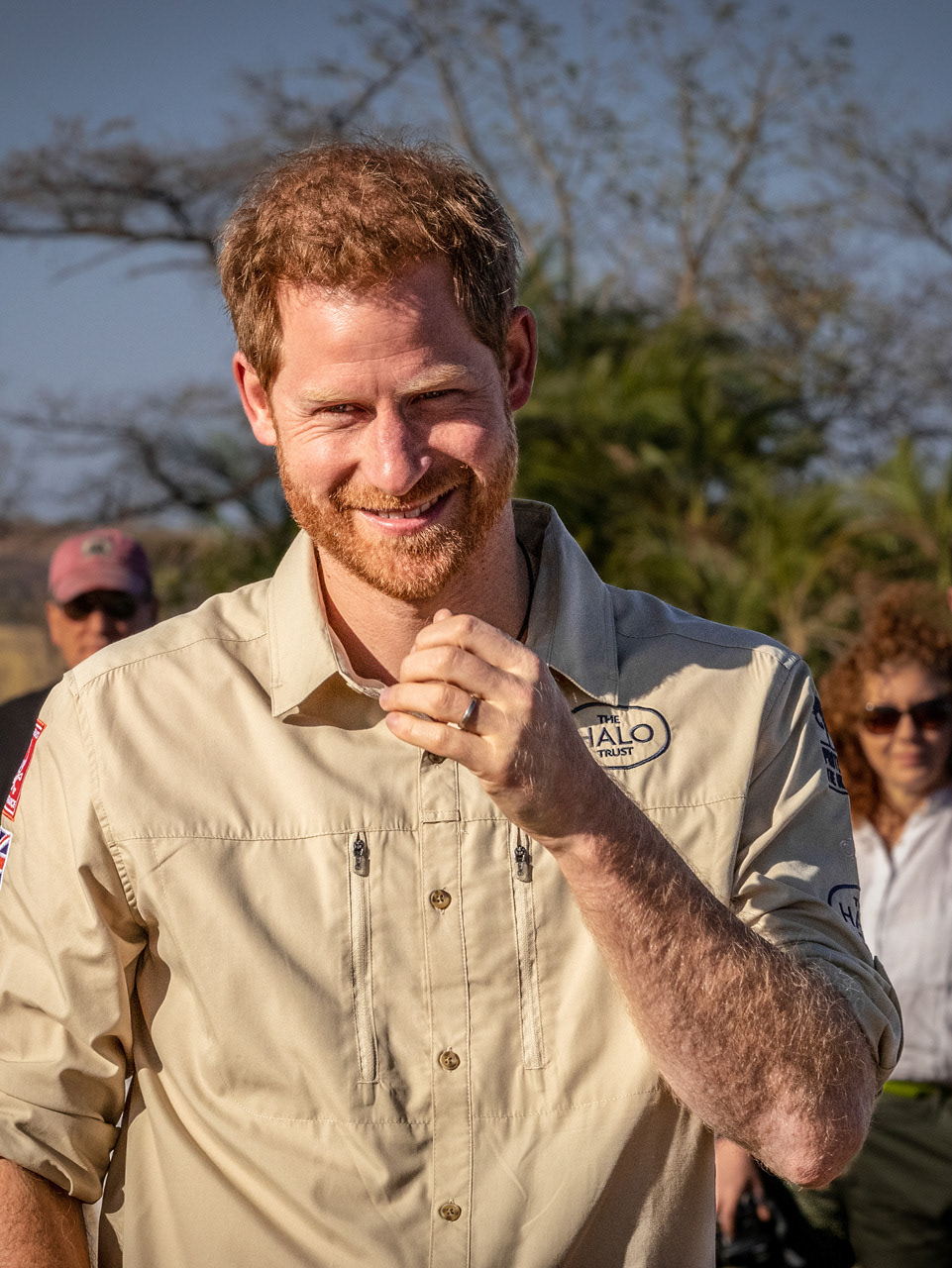
Landmine clearance charities like The HALO Trust are working with the Zimbabwean government to clear the minefields.
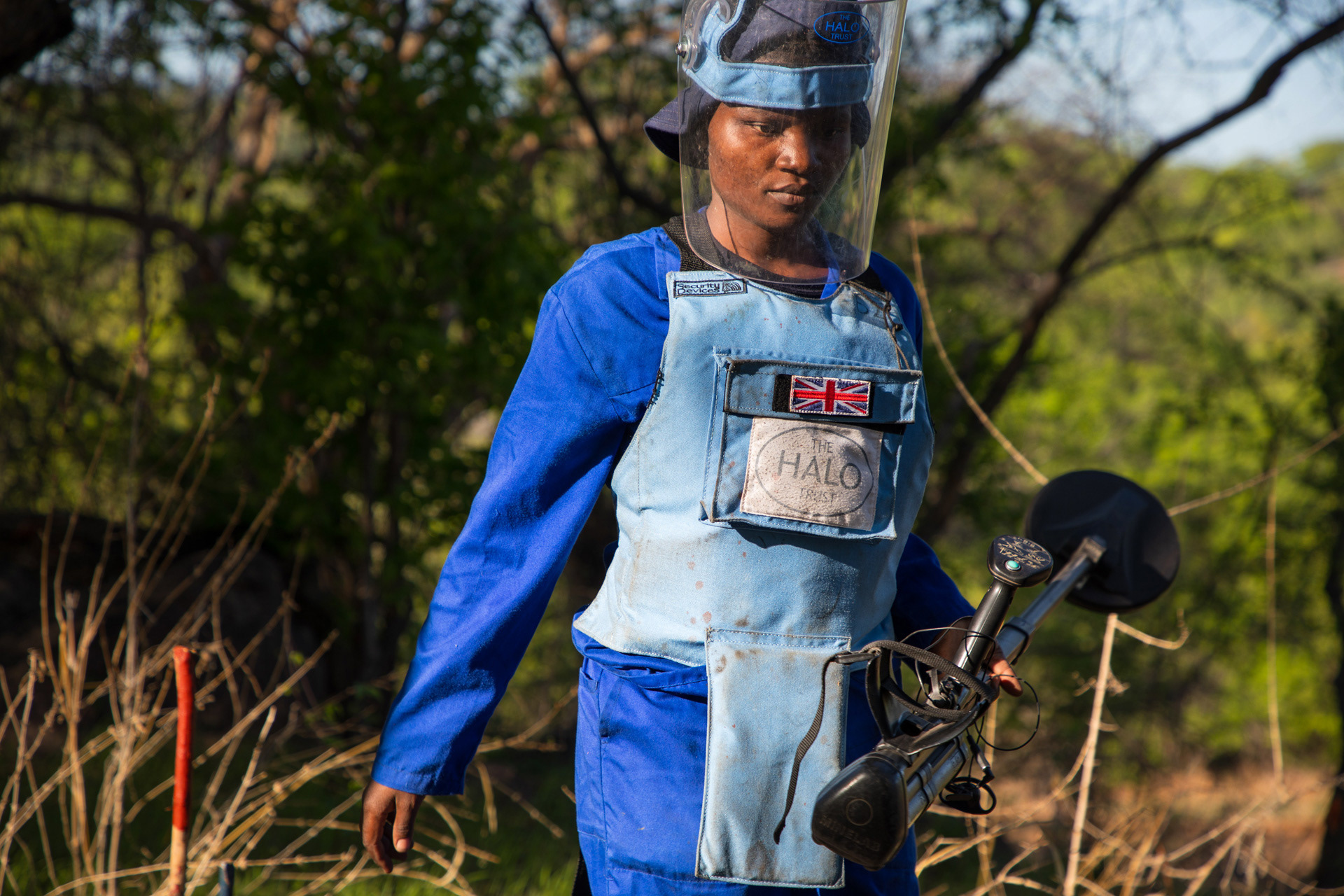
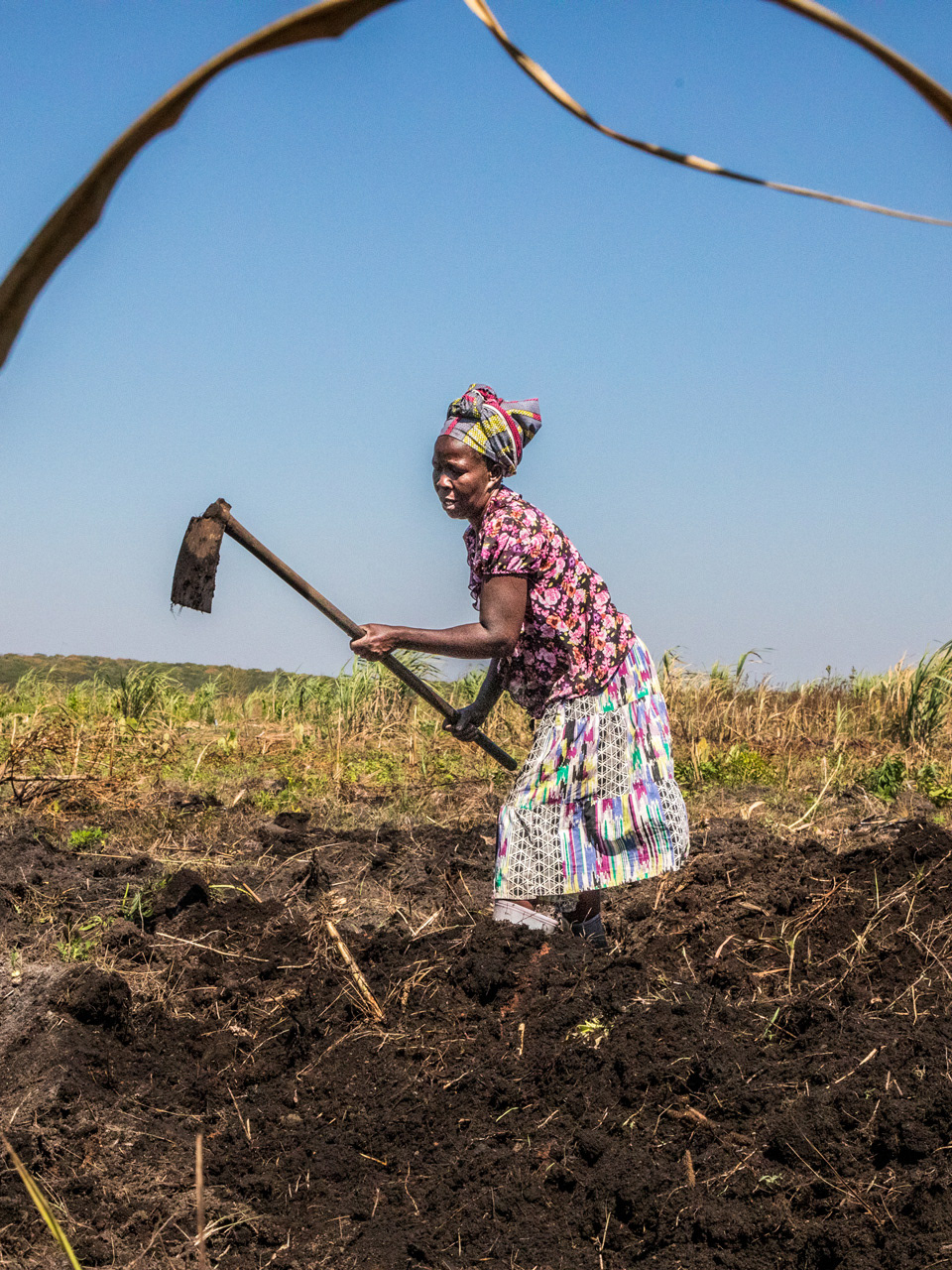
Local men and women are removing mines from their own communities.
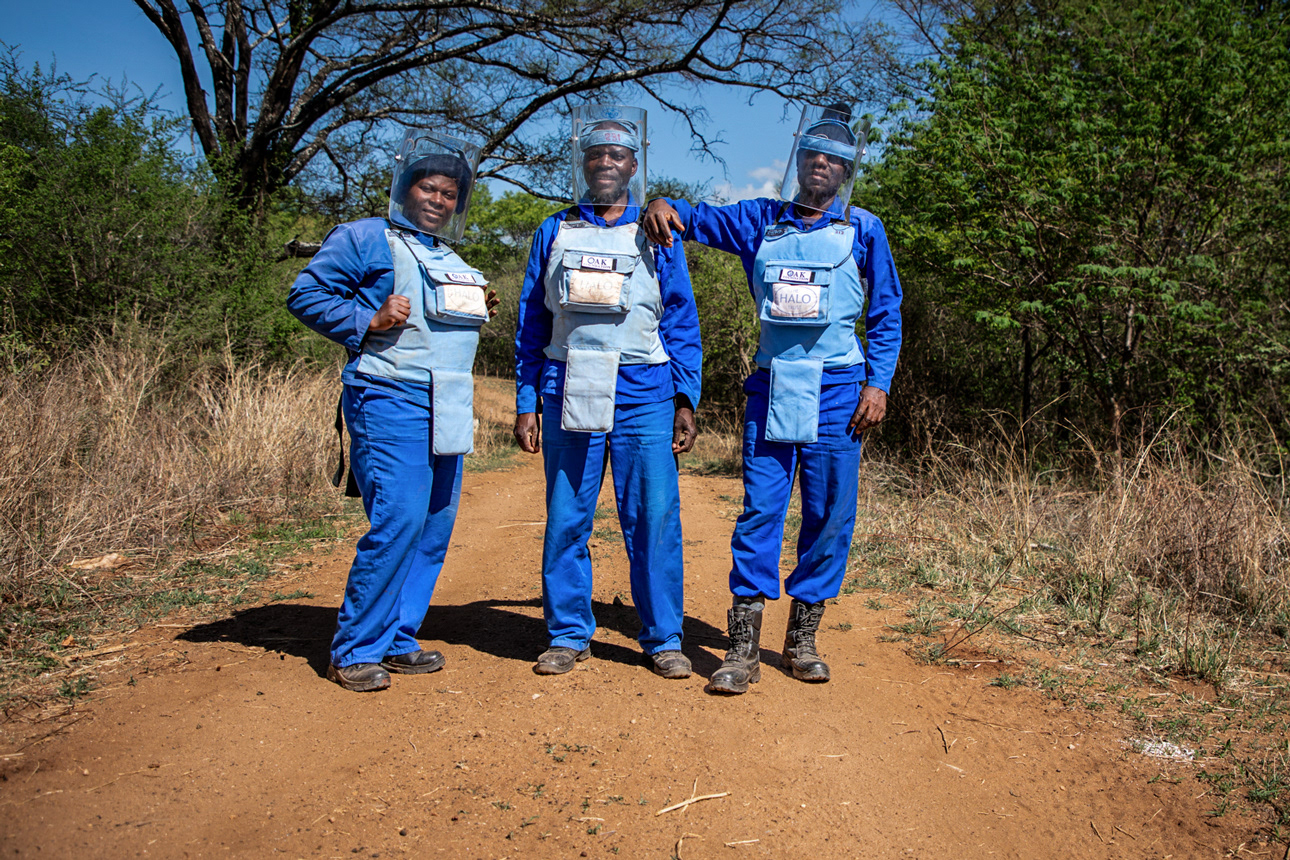
"In other areas that have been cleared of mines, we are now free to walk.
This job makes me braver."
This job makes me braver."
—Faithee, deminer, Zimbawe.
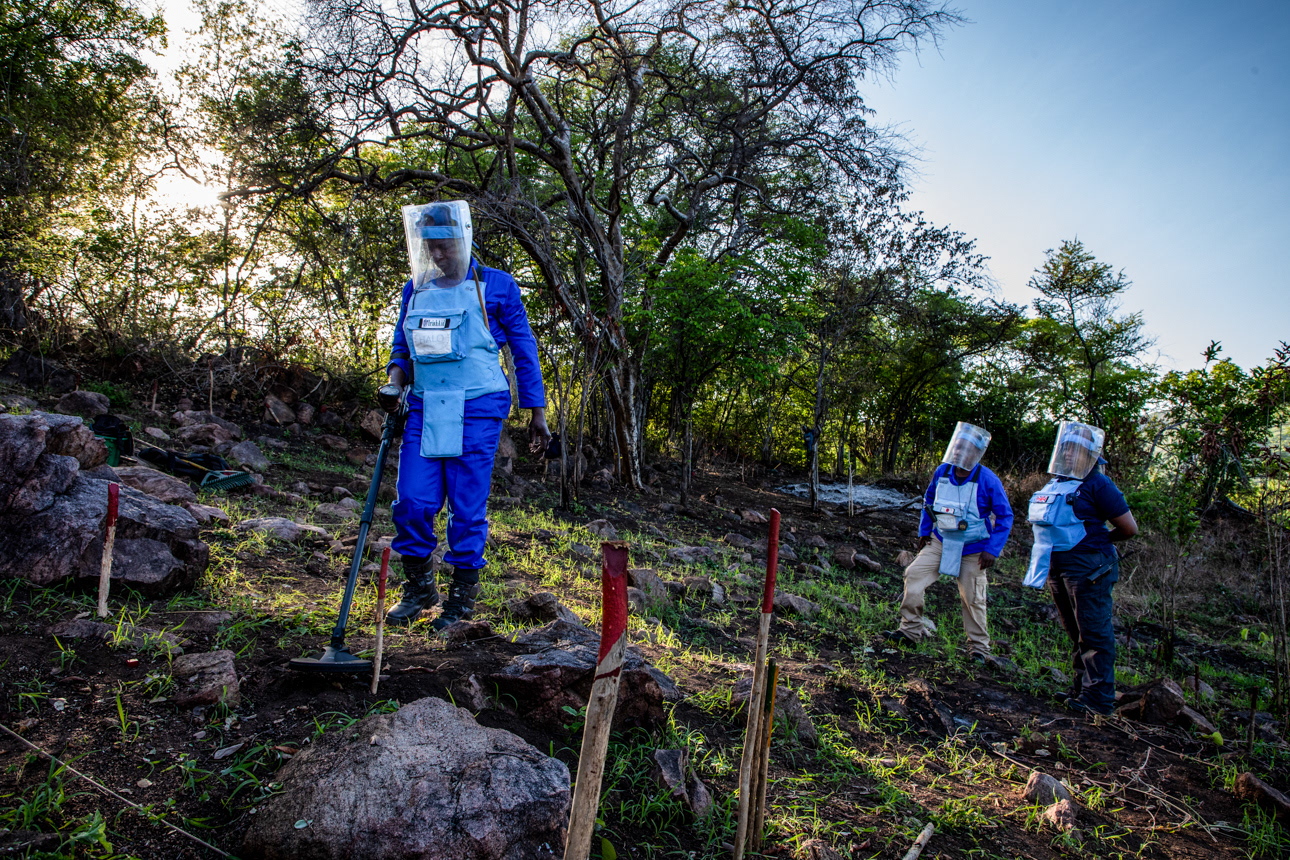
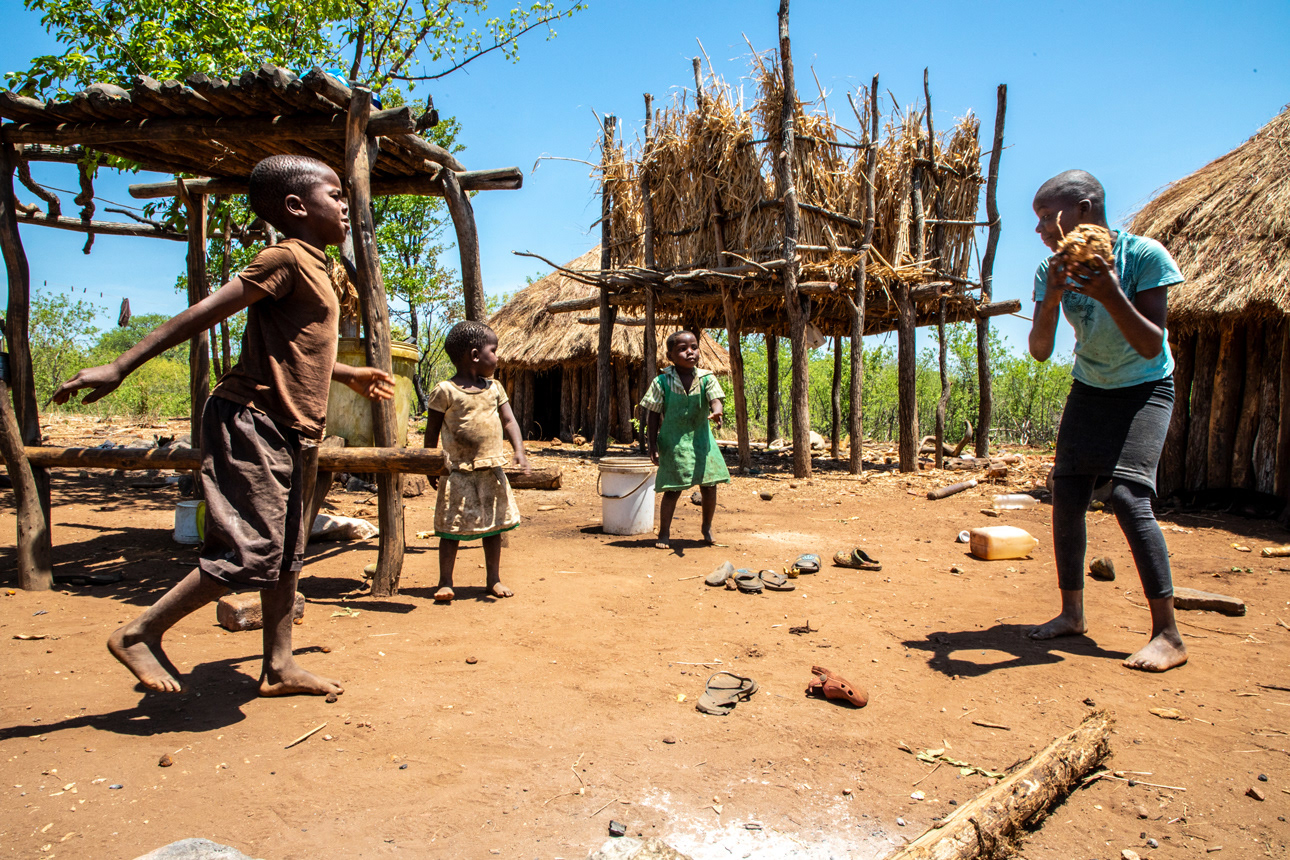
Clearing the mines will allow children to reach school safely, removing the legacy of a conflict that ended decades ago.